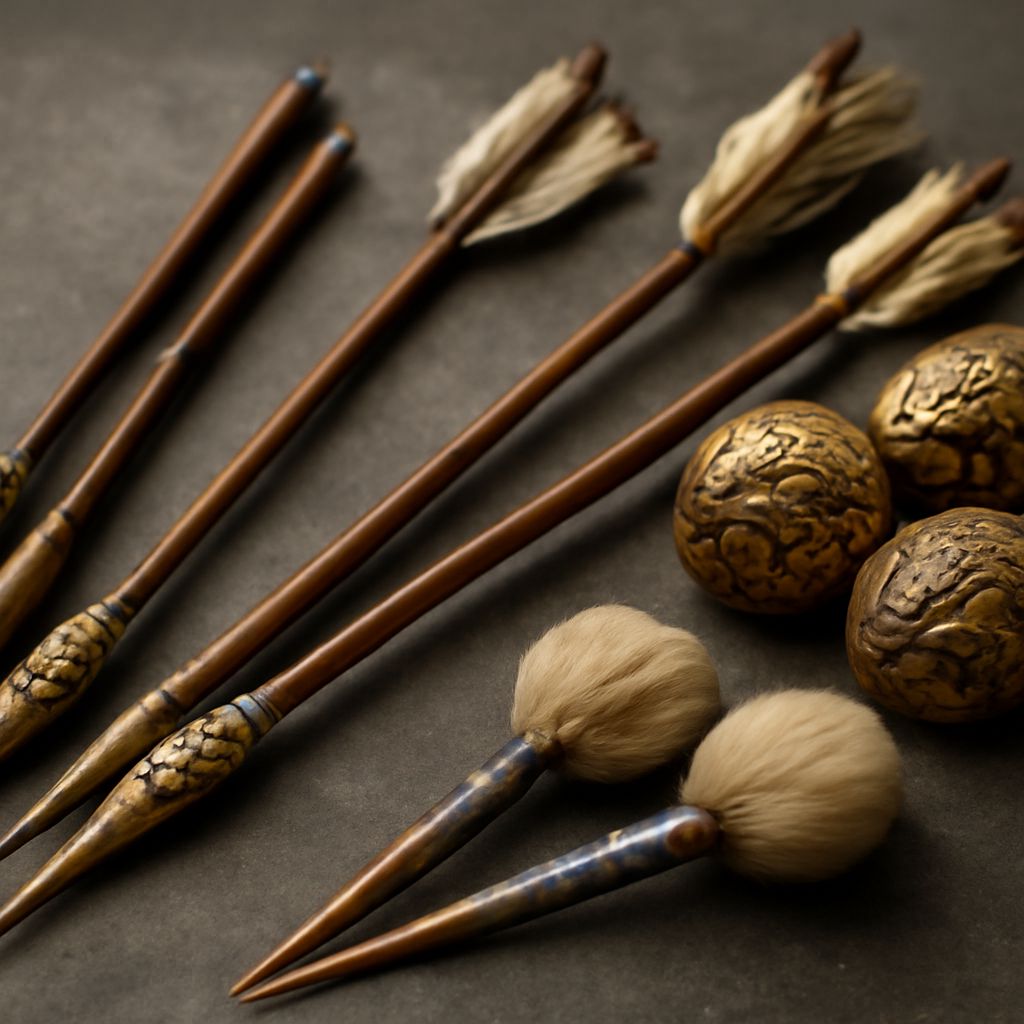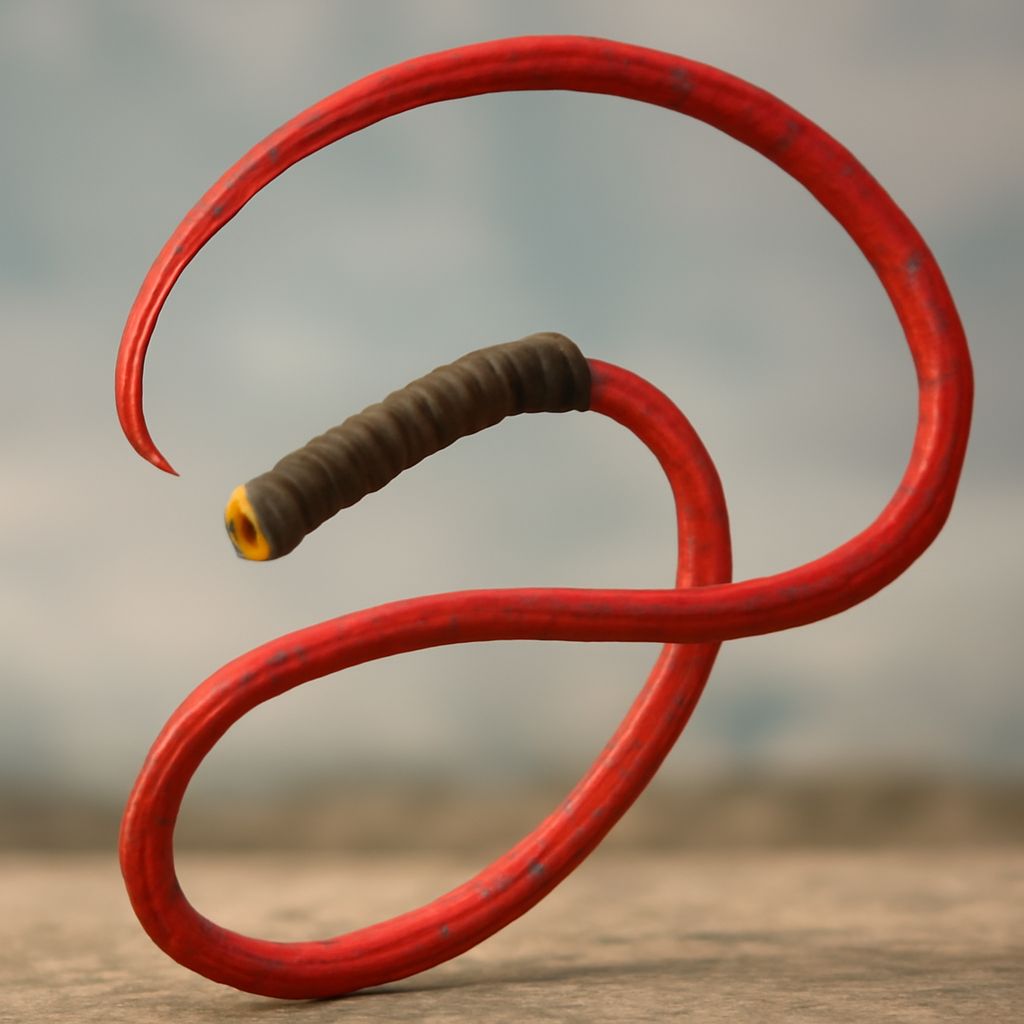
A whip can strike an enemy 10 feet away while remaining a melee weapon. That extra five feet creates a useful gap against an opponent whose reach is only five feet. In fifth edition, a whip rewards a player who pays attention to where both combatants stand.
This guide uses the 2024 Player’s Handbook rules. The 5e whip is a martial melee weapon that deals 1d4 slashing damage and has Finesse and Reach. It costs 2 gold pieces and weighs 3 pounds. The 2024 version also has the Slow mastery property, available only to a character with the appropriate Weapon Mastery feature.
Reach creates a window
In 5e, a whip adds five feet to your reach when attacking with it. For a character with the usual five-foot reach, that means a target can be attacked from up to 10 feet away. You can also attack a target within five feet; the weapon has no minimum distance in its entry.
Suppose a fighter stands 10 feet from a guard whose melee reach is five feet. The fighter can attack without entering that guard’s reach, then move farther away. If the guard later closes the gap, the fighter must reassess the position. The whip in a 5e fight buys room; it cannot stop movement or protect against ranged attacks.
Reach also applies when determining your reach for an opportunity attack made with the whip. An enemy moving from five to 10 feet away remains within that reach; moving beyond 10 feet can provoke an opportunity attack if the usual conditions are met. A 5e whip user needs a reaction available and must be able to see the creature. Forced movement and teleportation have different rules from a creature moving under its own power.
Roll a precise attack
Finesse lets a whip wielder in 5e choose Strength or Dexterity for attack and damage rolls. Use the same modifier for both. If you are proficient, add your proficiency bonus to the attack roll, not to the damage roll simply because of proficiency.
For example, a proficient first-level fighter with Dexterity 16 has a +3 Dexterity modifier and a +2 proficiency bonus. With a whip in the 5e rules, the fighter rolls a d20 + 5 against the target’s Armor Class. On a hit, roll 1d4 + 3 slashing damage.
The 5e whip can support a rogue’s Sneak Attack because it is a Finesse weapon, but the rogue must still meet Sneak Attack’s conditions. For example, an eligible ally near the target can help satisfy one route to the feature; disadvantage on the attack prevents that route.
Weigh damage against control
Against a whip, the 5e rapier deals 1d8 piercing damage and also has Finesse, but lacks Reach. Before modifiers, its average weapon die is 4.5 damage versus 2.5 for the whip. A whip for a 5e character trades that difference for a longer melee reach. If you regularly need to attack across a barrier or stay outside a foe’s five-foot reach, that trade can matter more than the die alone.
The 2024 5e whip mastery adds another consideration. If you can use its Slow property and hit a creature, dealing damage, you can reduce its speed by 10 feet until the start of your next turn. Repeated hits with Slow do not stack beyond that reduction. In a 5e battle, a whip with Slow may help an ally retreat or make a pursuing foe spend more movement, but it does not immobilize the target.
Agree on tricks before relying on them
Swinging across a chasm, pulling a lever, or wrapping an enemy’s ankle might make a vivid scene. The printed weapon properties do not automatically grant a grapple, trip, disarm, or swinging ability. Describe the intended action and ask the DM what is possible, what check or action it requires, and what happens on failure. A creative 5e use of a whip can become a memorable moment when everyone understands the stakes.
Choose the whip when distance or Slow supports your party’s plan. Choose the rapier when you expect to fight within five feet and want a larger damage die; carry both if your character can use each and the adventure calls for flexibility.