The aboleth stands among the most iconic and unsettling monsters in the fantasy roleplaying genre. These ancient beings, known for their immense power and alien intellect, have shaped the lore and atmosphere of game worlds for decades. When we bring an aboleth into our campaigns, we’re not just adding another monster to defeat—we’re invoking a deep, mysterious threat that can change the course of an entire story.
What Is an Aboleth?
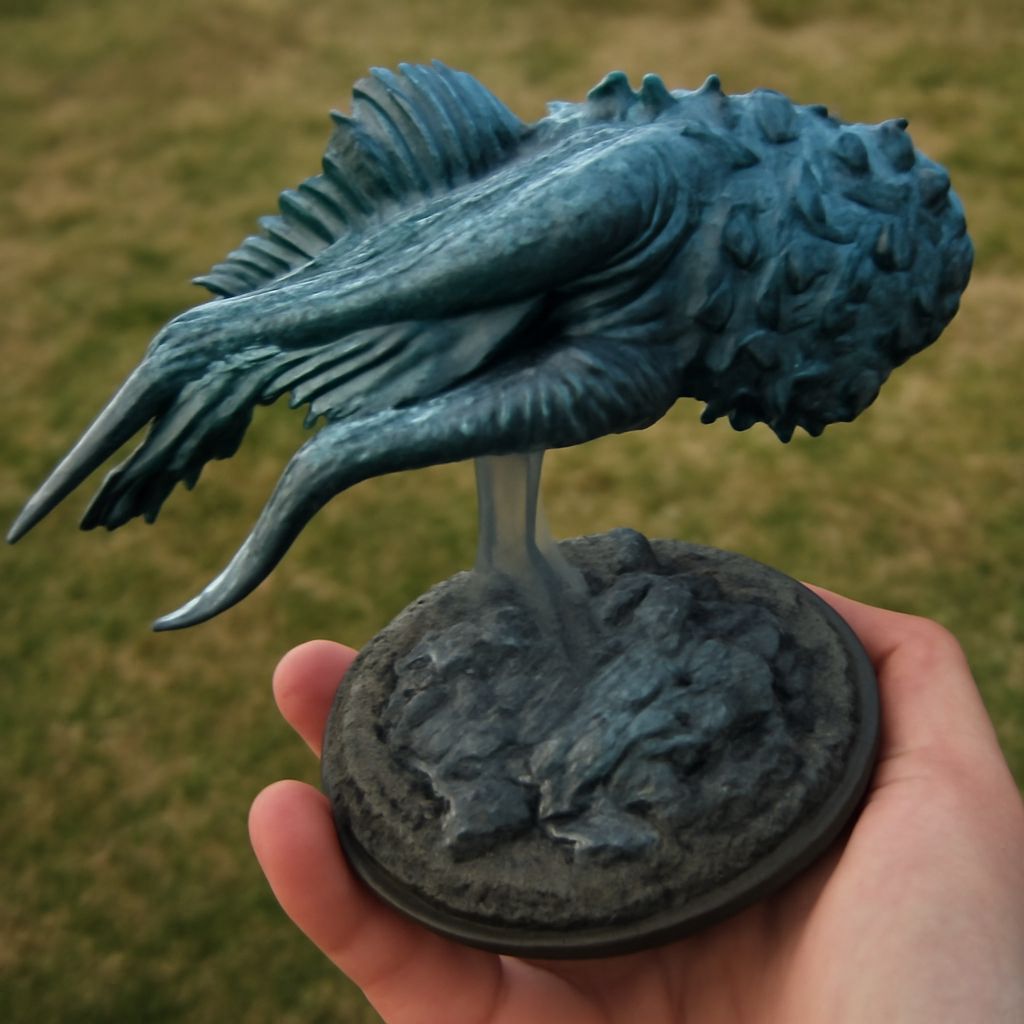
An aboleth is a massive, aquatic aberration distinguished by its eel-like body, three eyes arranged in a row, and numerous tentacles sprouting from its head and sides. Unlike most monsters, the aboleth is not a simple predator but a sentient creature with a civilization that predates the gods themselves, according to many game world mythologies. The aboleth’s mind is vast, immortal, and utterly alien, giving it memories that stretch back to the earliest days of creation.
In most fantasy settings, aboleths dwell in the deepest and darkest underwater caverns, often far beneath the surface world. They view themselves as the rightful rulers of the world, holding deep-seated resentment for the gods and mortal races that now dominate the land and seas. This perspective shapes every aboleth’s interactions with other creatures, making them master manipulators and long-term plotters rather than mere monsters of the deep.
When we encounter an aboleth in a campaign, it’s rarely by accident. These creatures use their knowledge, psychic abilities, and physical prowess to pursue elaborate schemes, often stretching over centuries. Their presence is a signal that the story will take a turn toward the mysterious, the dangerous, and the deeply unnatural.
Aboleth Abilities and Powers
The aboleth’s abilities make it one of the most formidable opponents for any party of adventurers. First and foremost, it possesses powerful psionic abilities. Aboleths communicate and attack using telepathy, allowing them to invade minds, manipulate thoughts, and sow discord without ever speaking aloud. Their domination abilities can control creatures, turning allies against each other or forcing heroes to serve the aboleth’s sinister goals.
In addition to their mental prowess, aboleths have potent physical attacks. Their tentacles not only deal bludgeoning damage but also inflict a unique and horrifying disease. Victims of an aboleth’s touch begin to transform, their skin turning slimy and amphibious, making them reliant on water to survive. This transformation can quickly turn a successful adventurer into a helpless pawn, forced to obey the aboleth in exchange for survival.
Another signature ability is the aboleth’s mucous cloud. This defensive feature surrounds the aboleth in a thick secretion that contaminates water around it. Any creature that comes into contact with the cloud can be infected, further spreading the aboleth’s corruption. Beyond offense and defense, aboleths possess vast knowledge, recalling memories from eons past, and can project illusions or manipulate the environment to their advantage. These layers of ability make them adaptable threats in any encounter.
Aboleth in Game Worlds: Influence and Encounters
The aboleth’s influence on game worlds is unique. Unlike dragons or demons, they rarely seek direct conquest or open battles. Instead, aboleths undermine civilizations from the shadows, manipulating entire societies or religious cults through their dominated agents. In large cities, a sudden surge of disappearances, strange underwater cults, or mysterious diseases might signal an aboleth’s growing reach.
When we design encounters with aboleths, the setting often shifts to underwater ruins, sunken temples, or flooded caves—environments where the aboleth holds every advantage. These locations are designed to highlight the creature’s alien nature and to challenge parties in both combat and strategy. Encounters often blend investigation, social interaction, and sudden, terrifying violence.
The psychological impact of an aboleth encounter can be as significant as the physical threat. Adventurers might question their own memories, motives, or even their free will after facing the creature’s mental attacks. Surviving an aboleth is about more than defeating it in battle—it’s about resisting its insidious influence and unraveling the layers of secrecy it weaves throughout the campaign world.
Using Aboleth in Your Campaign
To use an aboleth effectively, we focus on its strengths as a manipulator and mastermind. Rather than deploying it as a straightforward enemy, we introduce the aboleth as the central figure behind a web of mysteries—strange cults, missing people, or corrupt officials. The aboleth’s agents can provide recurring challenges, leading players deeper into its lair and influence over time.
We emphasize unique challenges for players, such as dealing with the aboleth’s environmental control—fighting underwater, managing disease, or resisting mind control. These challenges force parties to plan, research, and seek out specialized tools or magic before a direct confrontation. Interacting with the aboleth should always feel dangerous and unpredictable, with the threat of corruption present in every choice.
Finally, integrating aboleths into world lore creates long-lasting story arcs. We might connect the aboleth to ancient ruins, lost cities, or primordial secrets that reshape the party’s understanding of the world. By doing this, the aboleth becomes not just a monster, but a catalyst for epic stories and memorable campaign moments.