Chromatic dragons are some of the most iconic and formidable monsters in fantasy role-playing games, representing the darker, more destructive forces among dragonkind. We encounter them as powerful adversaries defined by their elemental powers, cunning motives, and notorious reputations. In this article, we’ll explore the rich chromatic dragon lore, break down their various types, detail their signature abilities, and explain the roles they play as enemies within game worlds.
What Is a Chromatic Dragon?
A chromatic dragon is a type of dragon distinguished by its vibrant, elemental coloration and its alignment with evil or chaotic forces. Unlike metallic dragons, who usually lean toward benevolence, chromatic dragons embody greed, cruelty, and ambition. The term “chromatic” refers to their vivid scale colors, with each type associated with a specific hue and elemental breath weapon. In most fantasy settings, including Dungeons & Dragons, these dragons are driven by a thirst for power and dominance over others.
At the heart of chromatic dragon lore lies the belief that these creatures descend from Tiamat, the five-headed dragon goddess. Their motivations often revolve around hoarding treasure, controlling territory, and asserting dominance over weaker beings. While they are intelligent and capable of complex schemes, their reputations are built on fear, destruction, and the havoc they unleash.
When we face a chromatic dragon in a game, we are rarely dealing with a simple brute. Instead, these dragons test our strategic skills, teamwork, and resourcefulness, serving as both a narrative and mechanical challenge for adventurers.
Types of Chromatic Dragons
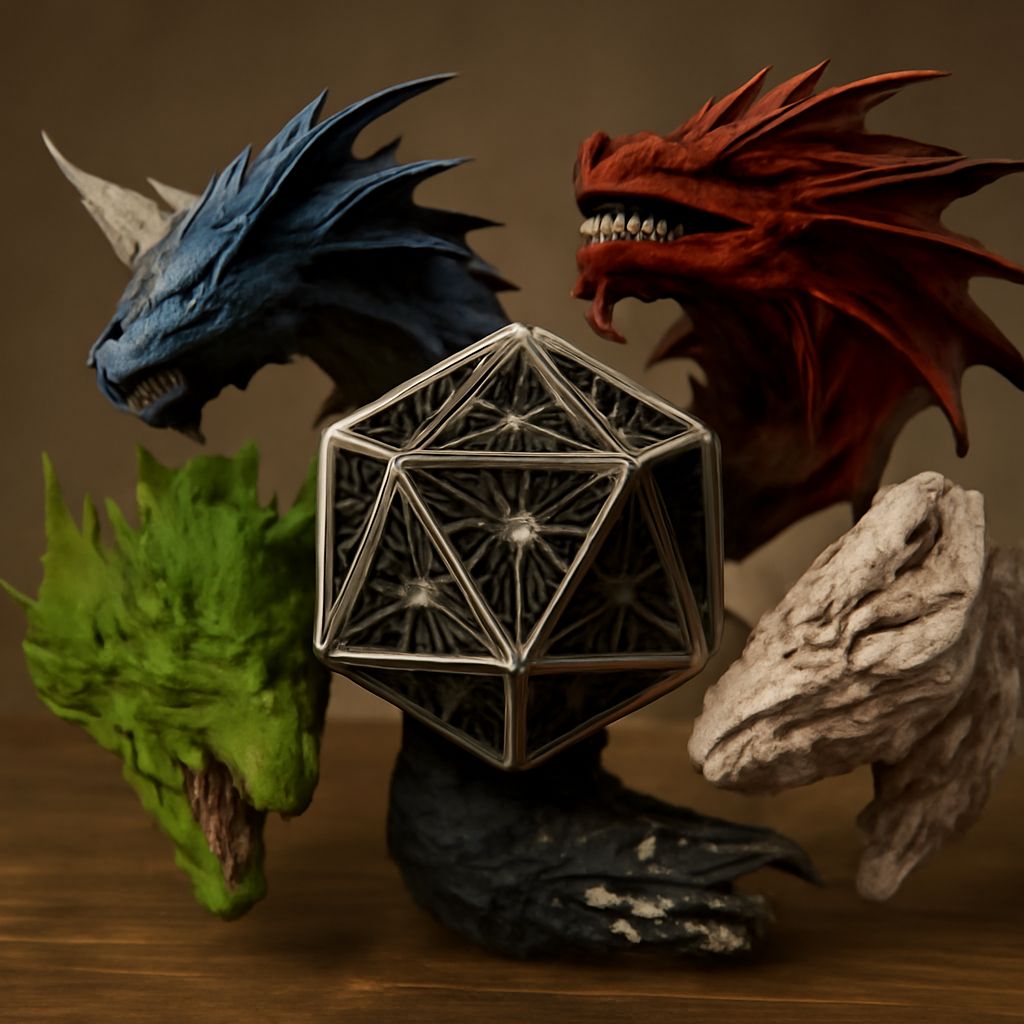
Each chromatic dragon type is unique in color, elemental power, and personality. The five classic types are:
- Red Dragons: Known for their fiery breath and overwhelming arrogance, red dragons are the most powerful and feared among their kind. They inhabit mountainous lairs and covet vast hordes of treasure.
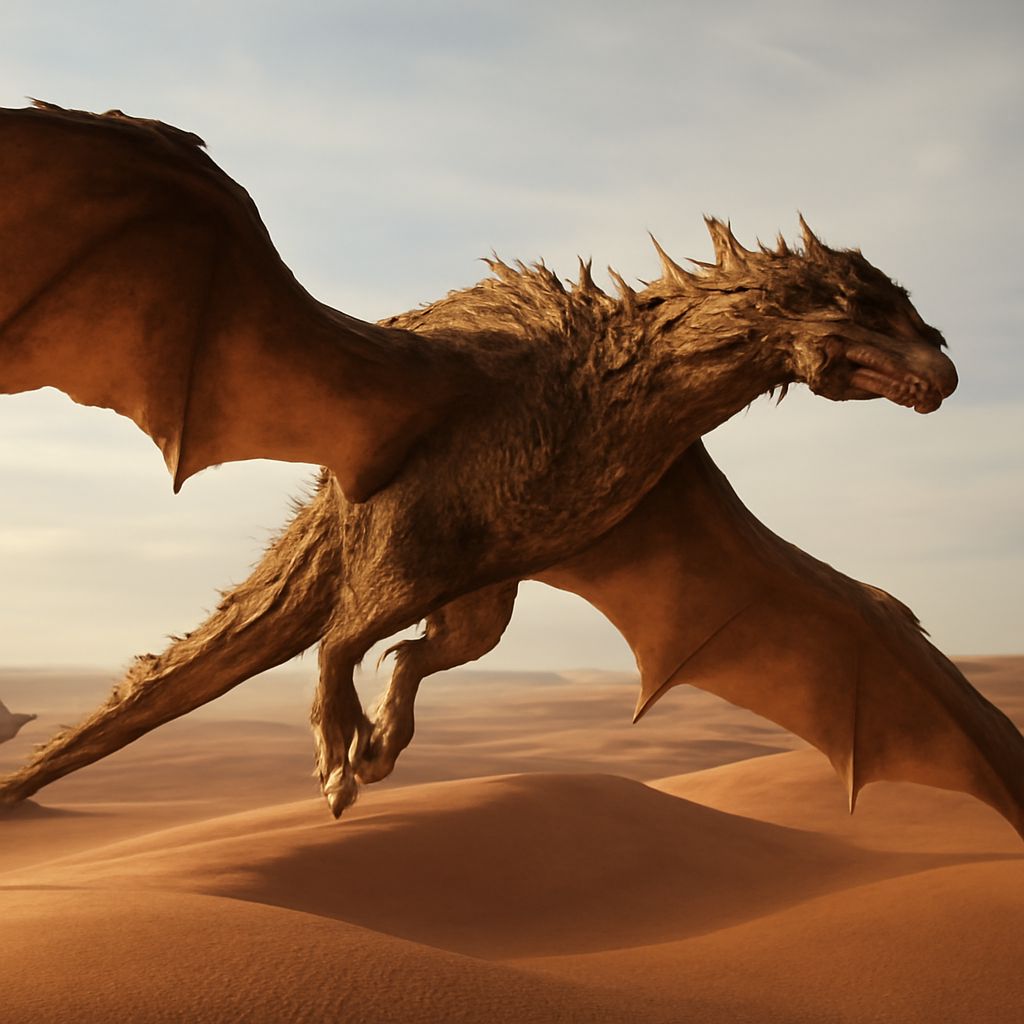
- Blue Dragons: With the ability to unleash bolts of lightning, blue dragons are cunning schemers who prefer desert or arid environments. Their social manipulation and tactical patience set them apart.
- Green Dragons: Masters of deception and poison, green dragons dwell in ancient forests. They manipulate mortals and monsters alike, weaving schemes to expand their influence.
- Black Dragons: Lurking in fetid swamps and ruins, black dragons wield acid breath and thrive on decay and corruption. They are vindictive, territorial, and particularly cruel to intruders.
- White Dragons: The most feral and animalistic, white dragons use their icy breath and favor arctic regions. Less intelligent but highly aggressive, they are relentless hunters.
While these five are the most common, some game worlds introduce variants, such as shadow or deep dragons, that share core chromatic traits but with unique twists. Each type’s elemental power not only shapes its combat style but also influences its lair, behavior, and the terrain it calls home.
Abilities and Behaviors
Chromatic dragons are defined by their formidable physical and magical capabilities. Their signature ability is the breath weapon, with each type wielding a different elemental attack: fire for red, lightning for blue, poison gas for green, acid for black, and freezing cold for white. This attack often shapes our tactical approach when facing them, as resisting or avoiding the breath weapon becomes a top priority.
In addition to their breath weapons, chromatic dragons possess high physical strength, flight, and often spellcasting talent. Older dragons cast powerful magic, summon storms, or manipulate the environment to their advantage. Their innate senses—keen hearing, darkvision, and sometimes tremorsense—make them nearly impossible to ambush.
Behaviorally, chromatic dragons are notoriously territorial and egotistical. They value personal power above all else, ruthlessly punishing any challenge to their supremacy. Their lairs are fortified with traps, minions, and environmental hazards tailored to their elemental affinity. For example, a red dragon’s lair might contain rivers of magma, while a green dragon’s territory is often a maze of toxic brambles.
These dragons display intelligence on par with the greatest mortal minds, capable of elaborate plots and manipulation. While some rely on brute force, others prefer subterfuge, alliances with evil creatures, or indirect control over local populations.
Chromatic Dragons as Enemies in Game Worlds
When we encounter a chromatic dragon as an enemy, it often marks a campaign’s pivotal moment. These dragons are rarely random threats; they are masterminds orchestrating regional conflict, amassing armies, or manipulating political landscapes. Their fearsome reputation makes them ideal antagonists for high-stakes adventures, where characters must band together to survive overwhelming odds.
Game masters use chromatic dragons to challenge both the combat and problem-solving skills of players. Strategies for overcoming them include researching their weaknesses, seeking alliances, and using terrain or magical protections to counteract breath weapons. Because their lairs are often as deadly as the dragons themselves, careful planning is essential.
Beyond combat, chromatic dragons shape the worlds they inhabit. Their influence spreads corruption, war, and fear, leaving lasting scars on communities and landscapes. Defeating such a dragon is both a narrative climax and a transformative event for a game world, altering the balance of power and inspiring legends for generations.
Ultimately, the chromatic dragon remains the ultimate test of a party’s courage, wit, and resilience—an enemy that defines the legends of any campaign world.