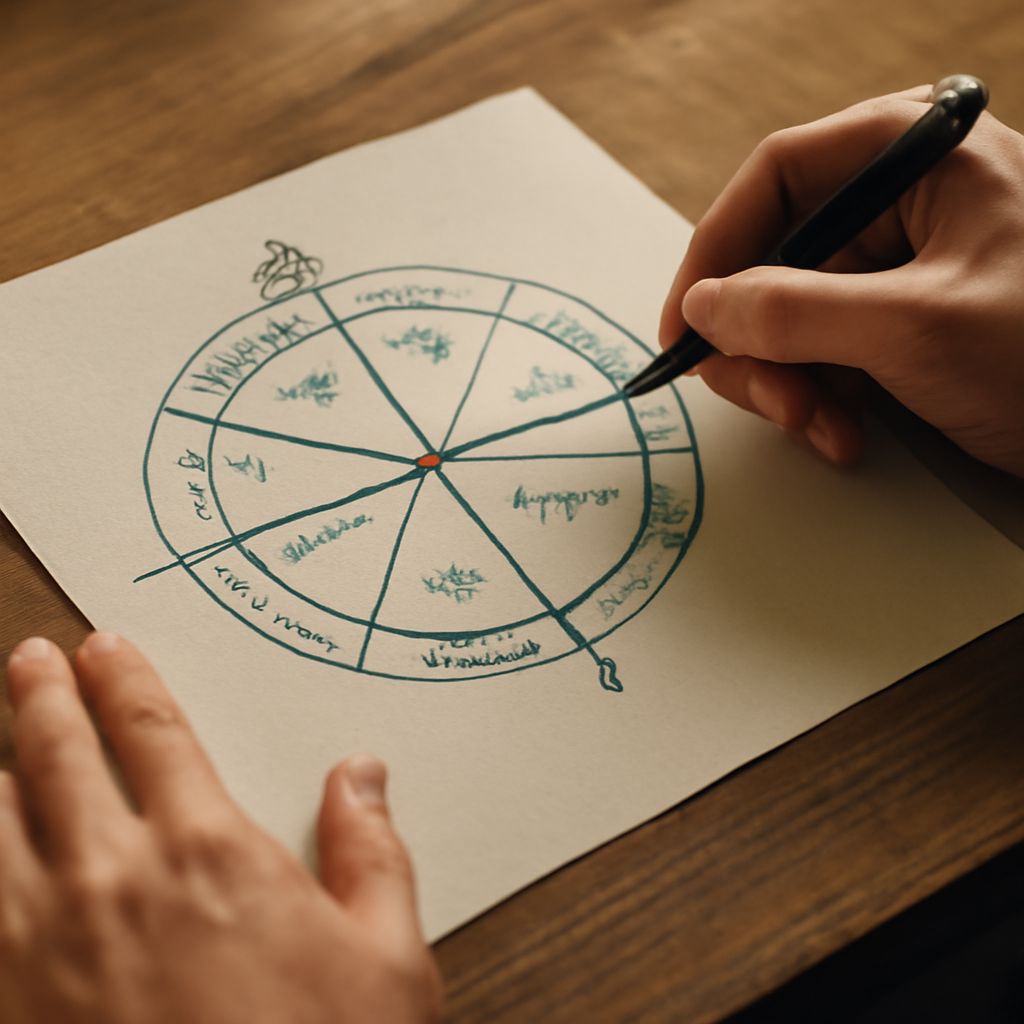
The calendar of Harptos serves as the dominant timekeeping system across the Forgotten Realms, widely embraced by scholars, rulers, and adventurers alike. Developed centuries ago by the wizard Harptos of Kaalinth, this calendar’s blend of months and uniquely placed holidays provides a consistent structure for daily life and epic storytelling. Understanding how its months, festivals, and leap-year adjustments work helps us bring authenticity and depth to any campaign or narrative set in Faerûn.
What Is the Calendar of Harptos?
The calendar of Harptos is the standard civil calendar in the Forgotten Realms, dividing the year into twelve uniform months and strategically placed holidays. Each month contains 30 days, creating a predictable cycle of 360 days, with additional holidays interspersed to mark religious, seasonal, or cultural milestones. Harptos’ design allows for both administrative clarity and immersive worldbuilding, as its structure aligns with the rhythms of nature and the customs of countless Faerûnian societies.
What sets the calendar of Harptos apart is its combination of regular months and five fixed festivals, which are not contained within any month. This approach provides a universal frame of reference for time, enabling us to coordinate events, anniversaries, and seasonal celebrations across different regions and faiths. By incorporating these holidays and the names of months into our campaign timelines, we reinforce the setting’s authenticity and help players feel grounded in its world.
While most cultures in Faerûn use the calendar of Harptos by default, some regions or isolated peoples may follow alternative lunar or local calendars. However, for the vast majority of adventures, rulings, and historical records, Harptos remains the gold standard for marking the passage of time.
Months and Structure of the Calendar
The calendar of Harptos is organized into twelve months, each lasting 30 days. This results in a base year of 360 days. What distinguishes this system are the five holidays, or festival days, inserted between certain months. These festival days do not belong to any month, standing apart as time set aside for reflection, renewal, or celebration.
Here’s how the months of the calendar of Harptos are arranged in order:
- Hammer (Deepwinter)
- Alturiak (The Claw of Winter)
- Ches (The Claw of Sunsets)
- Tarsakh (The Claw of Storms)
- Mirtul (The Melting)
- Kythorn (The Time of Flowers)
- Flamerule (Summertide)
- Eleasis (Highsun)
- Eleint (The Fading)
- Marpenoth (Leaffall)
- Uktar (The Rotting)
- Nightal (The Drawing Down)
Between these months, holidays are inserted as follows: Midwinter (between Hammer and Alturiak), Greengrass (between Tarsakh and Mirtul), Midsummer (between Flamerule and Eleasis), Highharvestide (between Eleint and Marpenoth), and The Feast of the Moon (between Uktar and Nightal). Once every four years, an additional holiday—Shieldmeet—is added after Midsummer for leap-year celebrations.
This arrangement leads to 365 days in a standard year, or 366 in a leap year. The calendar of Harptos’ balance and predictability make it easy for us to plan timelines, schedule events, and track the passage of seasons in our stories or campaigns.
Major Festivals and Holidays
The calendar of Harptos punctuates the year with five major festival days, each holding deep cultural and religious meaning. These days are treated as special occasions throughout Faerûn, often accompanied by local traditions, games, rituals, or observances.
- Midwinter: Falling between Hammer and Alturiak, this day is marked by noble gatherings, the renewal of oaths, and feasts—especially among the aristocracy.
- Greengrass: This festival, at the end of Tarsakh, celebrates the arrival of spring. People decorate homes with fresh flowers and offer them to local temples as thanks for the renewal of life.
- Midsummer: Situated between Flamerule and Eleasis, Midsummer is a time for revelry, music, and romance. In leap years, it is followed by Shieldmeet, a day devoted to tournaments, fairs, and the renewal of pacts and vows.
- Highharvestide: This autumn festival, between Eleint and Marpenoth, honors the harvest. Communities come together for feasting, trading, and giving thanks to the gods.
- The Feast of the Moon: Placed between Uktar and Nightal, it is a somber holiday dedicated to remembering ancestors, paying respects to the dead, and reflecting on the coming of winter.
These holidays serve not only as narrative touchstones for our adventures but also as useful cues for pacing, downtime, and the introduction of special events or quests in a campaign.
Using the Calendar of Harptos in Worldbuilding
Integrating the calendar of Harptos into our campaign or fiction adds immediate immersion and authenticity. By referencing its months and festivals, we anchor events in Faerûnian culture and help players or readers internalize the rhythm of the world.
We can use the months as signposts for weather, travel, and agriculture—knowing that Kythorn brings blooms, or that Uktar is marked by decay and rot. Festivals like Greengrass or Highharvestide provide natural breaks in the narrative for social gatherings, intrigue, or unexpected plot hooks. For clerics and faithful characters, these holidays offer opportunities for unique ceremonies or divine omens, tying mechanics and story together.
To employ the calendar smoothly, we recommend keeping a visible timeline or in-world calendar for your group, updating it as major events unfold. Mentioning the current month or approaching festival in dialogue or narration reinforces the setting’s structure. When running long-term campaigns, the cyclical nature of the calendar of Harptos helps organize downtime, travel, seasonal hazards, or recurring villain plans that align with significant dates.
Ultimately, the calendar of Harptos is more than a recordkeeping tool—it is a living part of the Forgotten Realms, shaping daily life, religious customs, and the flow of our stories. By weaving it into our adventures, we create a richer, more believable world for everyone at the table.