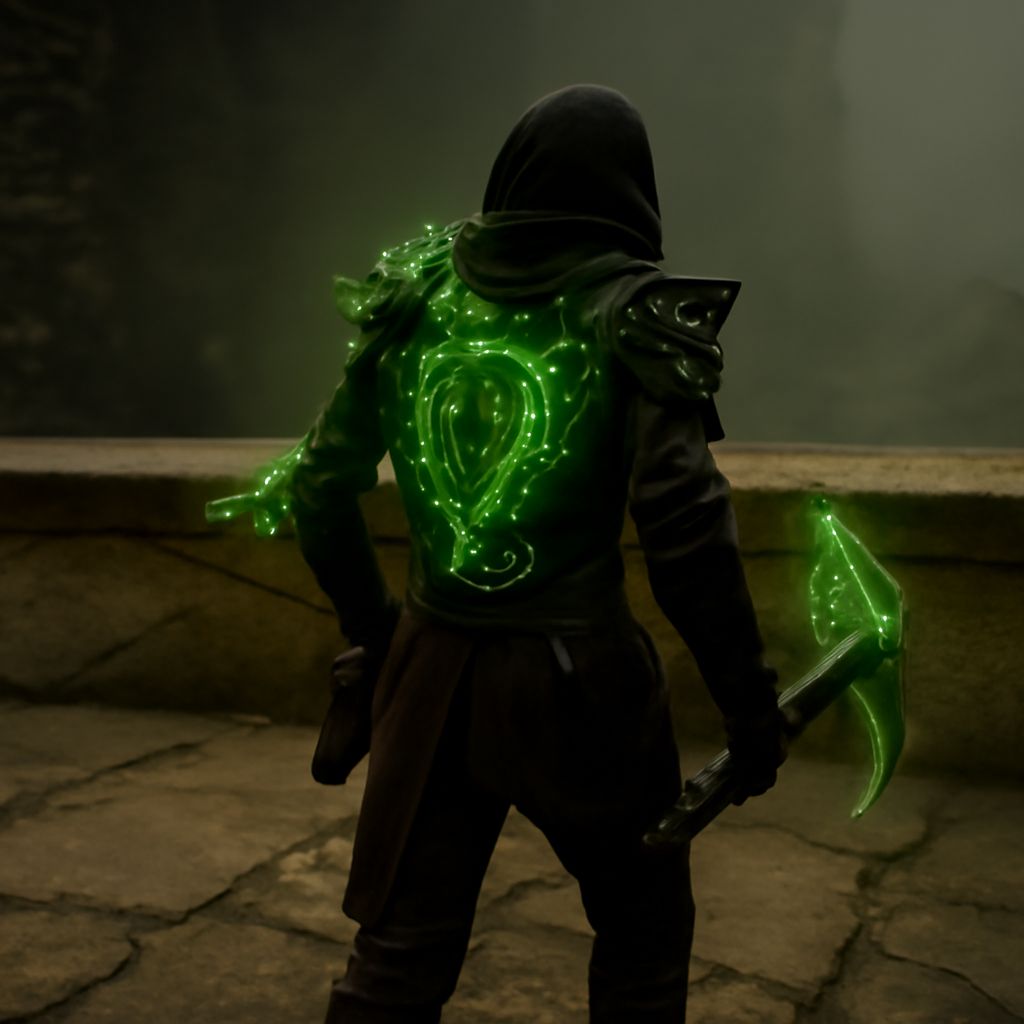
The chaotic evil alignment is one of the nine core moral alignments used in fantasy role-playing games (RPGs) to define a character’s ethics and worldview. As storytellers and players, we use chaotic evil to embody characters who act with ultimate self-interest, embracing destruction, unpredictability, and malice. This alignment represents individuals who reject authority, traditions, and any form of order, choosing instead to follow their own cruel whims. Understanding the chaotic evil alignment helps us recognize its role in building tension, presenting moral challenges, and enriching the narrative depth of our games.
What Does Chaotic Evil Mean?
Chaotic evil describes creatures or characters who are relentlessly selfish and unpredictable, caring nothing for rules, laws, or the well-being of others. In this alignment, the “chaotic” component means a character acts on personal desire, impulse, and emotion rather than any code or law. The “evil” aspect designates a disregard for others’ lives or happiness, often resulting in malicious, violent, or purely destructive behavior.
Unlike lawful evil, which uses structure and manipulation to achieve selfish goals, chaotic evil thrives on anarchy and mayhem. These characters reject societal constraints and moral standards, making them unpredictable threats in any scenario. They may aid others only if it furthers their own ends or brings chaos and suffering. In the context of fantasy RPGs, chaotic evil is not just about being “bad”—it’s about being a force of pure, unrestrained malevolence that destabilizes the world around them.
It’s important to note that chaotic evil is not the same as being simply rebellious or mischievous. This alignment is about intentional harm, selfishness, and a complete lack of empathy. Enemies, allies, and even innocents are all potential targets if it pleases or benefits the chaotic evil character.
Core Traits of Chaotic Evil Characters
Characters aligned with chaotic evil share distinctive traits that set them apart from others in the alignment spectrum. These core traits include:
- Selfishness Above All: Every action is motivated by personal gain, pleasure, or amusement, regardless of the consequences for others.
- Disdain for Authority: Rules, laws, and traditions are seen as shackles to be broken. Chaotic evil characters despise being told what to do and actively undermine order.
- Impulsiveness: Decisions are made on the spur of the moment, with little regard for long-term effects or consistency. Planning is only considered if it leads to immediate gratification or chaos.
- Lack of Empathy: Suffering and misfortune of others mean nothing to a chaotic evil character. They may even derive joy from others’ pain.
- Destructive Tendencies: Acts of violence, chaos, and destruction are common. These characters may wreak havoc simply to watch the world burn.
When we create or encounter chaotic evil characters in RPGs, we typically see these traits manifest through unpredictable actions, betrayal, and a refusal to cooperate unless manipulation or mutual destruction is at stake. Unlike chaotic neutral, who may be whimsical or eccentric, chaotic evil characters are genuinely dangerous and often serve as antagonists within a campaign.
These traits make chaotic evil characters challenging but compelling figures in role-playing games. They present unique threats and can drive dramatic conflicts, forcing heroes and parties to confront the extremes of morality and chaos.
Iconic Chaotic Evil Examples in RPGs
Several iconic figures in fantasy RPGs exemplify the chaotic evil alignment, providing us with memorable examples and inspiration for our own characters and stories.
- Demogorgon (Dungeons & Dragons): As the Prince of Demons, Demogorgon embodies chaos and evil, sowing discord and destruction across the Abyss and mortal realms alike.
- Tiamat (Dungeons & Dragons): The five-headed dragon goddess is driven by greed, power, and an insatiable urge to dominate and destroy, serving as a classic chaotic evil adversary.
- Vecna (Dungeons & Dragons, post-ascension): Although sometimes portrayed as lawful evil, Vecna’s ultimate disregard for any law but his own and his desire to unmake reality itself show chaotic evil tendencies after attaining godhood.
- Viconia DeVir (Baldur’s Gate series, early appearances): The drow cleric starts as a self-serving and cruel figure, caring little for anyone’s fate but her own, willing to betray or murder for personal survival or gain.
These characters help us see how chaotic evil drives narrative stakes. Their unpredictability and capacity for destruction often force player parties to unite or make difficult moral choices. When portraying such characters, it’s essential to remember that they do not operate with any code of honor or loyalty, making them both dangerous opponents and story catalysts.
Beyond Dungeons & Dragons, similar archetypes appear in Pathfinder, Shadowrun, and countless homebrew worlds. The key is the combination of selfishness, disregard for order, and active embrace of evil.
Playing a Chaotic Evil Character Responsibly
While chaotic evil characters can be fascinating, playing them in a group setting requires careful consideration. As players and game masters, we must remember that RPGs are collaborative experiences. Disrupting the game or making others uncomfortable for the sake of “playing true to alignment” undermines the spirit of shared storytelling.
Here are some guidelines for handling chaotic evil characters responsibly:
- Establish Boundaries: Discuss character concepts and group expectations before play. Ensure everyone at the table is comfortable with chaotic evil actions and themes.
- Avoid Sabotaging the Party: While betrayal and unpredictability are core to the alignment, consistently undermining or attacking fellow players can ruin the game. Focus evil actions on in-game challenges or NPCs instead of your own party.
- Collaborate with the GM: Work with the game master to integrate your character’s chaos into the story in a way that enhances drama without derailing the campaign.
- Lean into Roleplay, Not Real Harm: Channel the alignment into dramatic scenes, moral dilemmas, and story arcs rather than personal attacks or actions that make others uncomfortable out of character.
By approaching chaotic evil with care and communication, we can use this alignment to deepen our stories and explore the darkest corners of heroism and villainy—without compromising the enjoyment and trust of our fellow players.