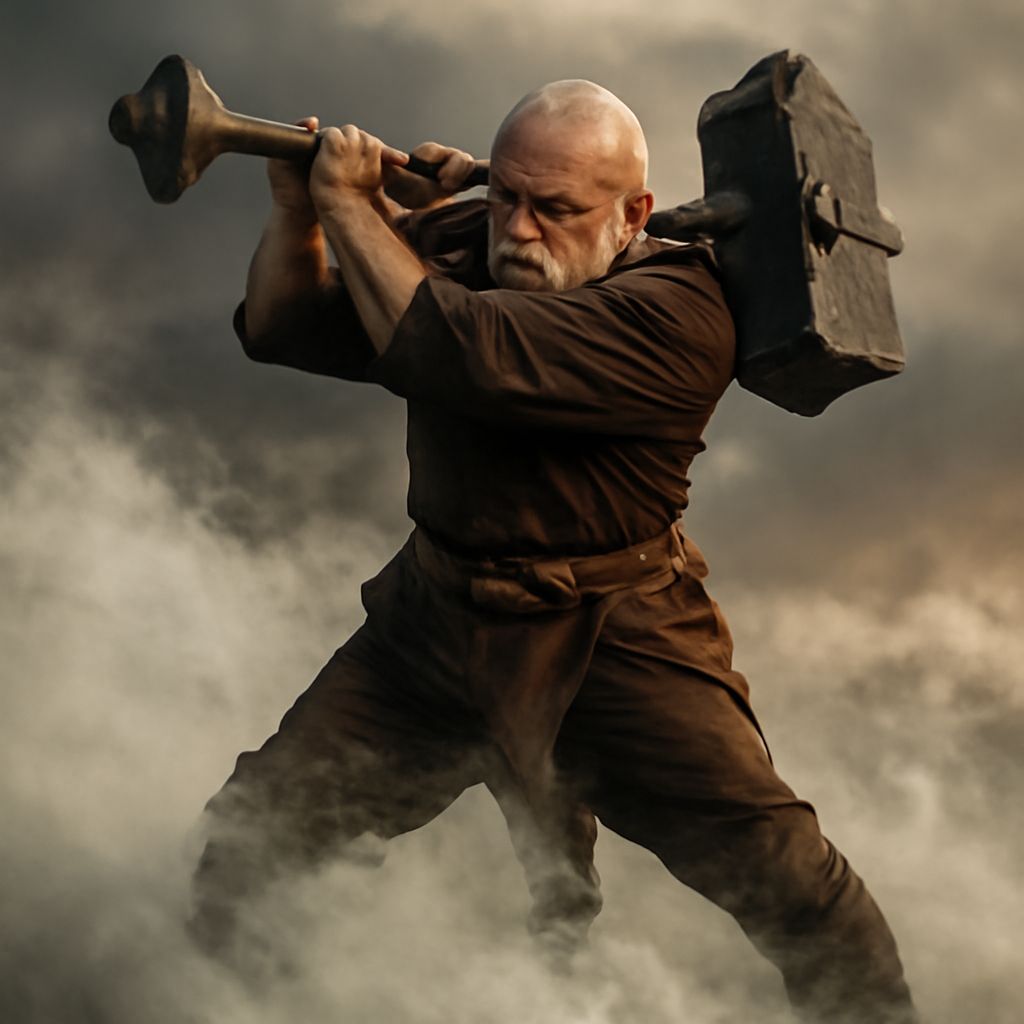
Choosing authentic duergar names is essential for bringing depth and immersion to your Dungeons & Dragons campaign or fantasy fiction. These names capture the dark, stoic, and often harsh culture of the duergar—also known as gray dwarves—who hail from the deep Underdark. With the right inspiration and techniques, we can craft unforgettable names that evoke the unique identity of these subterranean beings.
What Makes a Duergar Name Unique?
Duergar names stand apart from typical dwarven names through their tone and construction. While traditional dwarven names tend to have a proud and hearty sound, duergar names often feel more guttural, clipped, and severe. This reflects the influence of their harsh environment and the duergar’s association with pain, endurance, and the Underdark’s unforgiving nature.
Many duergar names are derived from Dwarvish roots but have been adapted to sound more abrasive, sometimes incorporating harsher consonants or truncated forms. Syllables are often short, and endings are abrupt, creating a sense of finality. Additionally, duergar names rarely carry the jovial or ornate elements seen in their mountain-dwelling kin. Instead, their meaning often references endurance, stone, iron, suffering, or servitude. This results in names that feel ancient, functional, and direct.
Family names—or clan names—are important for duergar, but they are used more formally and often signify allegiance, status, or profession. These surnames usually reference stone, metal, crafting, or locations associated with the Underdark. Overall, the distinctiveness of duergar names comes from their grim etymology and the cultural weight they carry.
Popular Duergar Names and Their Meanings
We can draw from classic Dungeons & Dragons sources and established lore to find duergar names that resonate with players and readers. Below are some of the most iconic duergar names, along with their meanings and what makes them fitting for the gray dwarves:
- Thuldar: This name, containing the “thul-” root, can be associated with stone or endurance, giving it a weighty, stoic quality.
- Dorn: A sharp, compact name that evokes iron or bone—perfect for a duergar warrior or blacksmith.
- Zarik: The “-ik” ending is common among duergar, and the ‘Z’ creates a sense of danger and harshness.
- Hargath: A popular duergar leader’s name, combining guttural sounds that suggest authority and power.
- Baern: This name translates to “son of stone,” tying directly to duergar heritage and their connection to the Underdark.
For family names, some examples include:
- Stonevein: Directly referencing the veins of precious minerals found in the earth, this surname emphasizes the duergar’s mining culture.
- Ironfist: A classic clan name representing strength, discipline, and martial prowess.
- Darkdelve: This name evokes the forbidden, shadowy depths where duergar societies thrive.
- Grimforge: A surname suitable for families renowned in metalworking or weapon forging.
Each of these duergar names serves as rich inspiration, providing cultural context and helping to establish distinctive personalities for NPCs and player characters alike.
How to Create Your Own Duergar Name
When crafting your own duergar names, we recommend starting with a sound palette rooted in hard consonants—d, k, g, r, z—and short, abrupt syllables. Begin by imagining what qualities or traits are most important to your duergar character: are they a relentless laborer, a cunning tactician, or a fearsome enforcer?
One effective approach is to combine Dwarvish roots with harsher syllabic patterns. For example, take a base like “Dur-” (stone), “Kaz-” (iron), or “Bar-” (deep) and attach a blunt ending such as “-rak,” “-gar,” or “-dorn.” Don’t hesitate to merge or shorten these roots for a more duergar-like effect: “Durgar,” “Kazrik,” or “Bardar.”
For surnames, focus on geological or industrial themes: “Shardhelm,” “Ironroot,” or “Coalgrip.” Try using two-word compounds if you want to highlight family achievements or legends—such as “Ironshard” (suggesting resilience) or “Deepwarden” (implying guardianship over subterranean realms).
You can also draw inspiration from the duergar’s adversities or historical events. Names like “Scarbrand” or “Painbreaker” add narrative depth and underscore the duergar’s reputation for surviving hardship.
Tips for Using Duergar Names in Your Campaign
To make the most of duergar names in your campaign, consistency and context are key. Use the cultural and linguistic cues outlined above when naming both player characters and NPCs, ensuring that every name immediately signals “duergar” to your players.
When introducing a new duergar character, take a moment to explain the meaning or history behind their name. This not only adds immersion but can also foreshadow personality traits, clan rivalries, or hidden motives. For important NPCs, linking their name to personal achievements or notorious deeds helps them stand out and makes interactions more memorable.
Keep in mind that duergar society is rigidly hierarchical. Names and titles often reflect status, and family names can signal social standing, allegiance, or even ignominy. Incorporate this into your campaign’s social dynamics to create deeper intrigue and tension. For instance, a duergar with the surname “Stonevein” might command respect, while one from the “Ashfoot” clan could be regarded with suspicion.
Finally, encourage players to engage with the naming process. Offer guidance on traditional duergar names, but let them personalize their choices. With these strategies, we can ensure that every duergar name enriches our worldbuilding and storytelling.