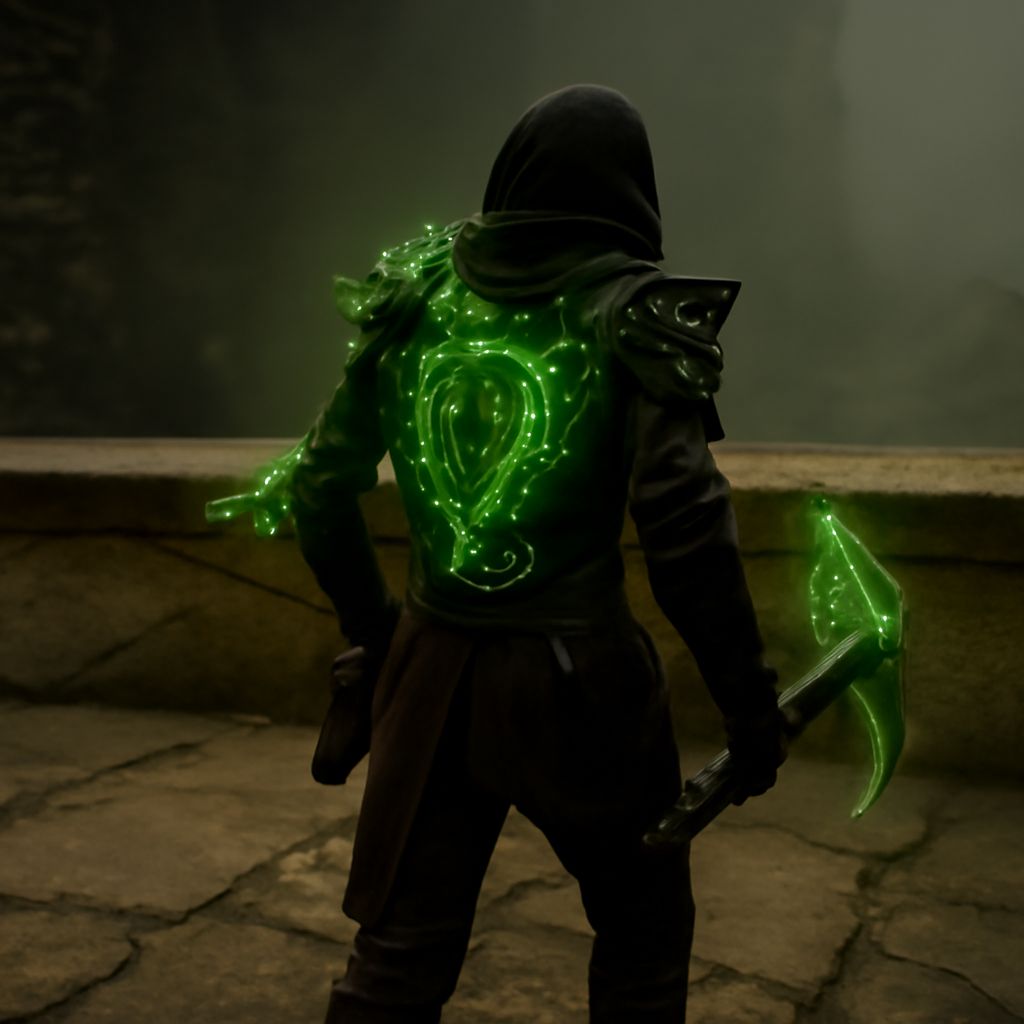
The IMP Pathfinder is an essential tool for players navigating game worlds filled with orc and monster threats. In titles like Orcs & Monsters, where unpredictability and danger are constant companions, using the imp pathfinder allows us to chart safe routes, uncover hidden objectives, and optimize our movement through hazardous environments. Below, we explore exactly how the IMP Pathfinder works, its standout features, and the most effective ways to incorporate it into your game strategy.
What Is the IMP Pathfinder?
The IMP Pathfinder is a specialized navigational device or ability designed for use in RPG and adventure game worlds, especially those featuring orc and monster adversaries. In most settings, it takes the form of a magical artifact or advanced gadget that helps us identify the safest or most advantageous paths through dangerous terrain. Its core function is to scan the environment, highlight threats, and suggest tactical routes that avoid unnecessary combat or environmental hazards.
Unlike standard mapping or wayfinding tools, the IMP Pathfinder interacts directly with in-game mechanics. For example, in Orcs & Monsters, it may synchronize with the game’s AI to monitor wandering monster patrols, shifting obstacles, and dynamic quest targets. This real-time responsiveness ensures that we’re always equipped with the most current data for decision-making, whether we are solo adventurers or leading a party through hostile territory.
By integrating the imp pathfinder into our gameplay, we gain significant strategic advantages. Not only does it reduce the risk of ambushes and dead ends, but it also accelerates quest completion and resource gathering by providing optimized routes and alerts for hidden loot or objectives.
Key Features and Capabilities
The IMP Pathfinder stands out due to a suite of features tailored to high-threat environments. Its primary capability is dynamic pathfinding: the system continually analyzes the map, adjusting suggested routes as orc and monster movements change. This is crucial in games where enemy patrols and obstacles are unpredictable, such as in Orcs & Monsters, ensuring we always follow the safest or most rewarding path available.
Another essential feature is its threat detection system. The IMP Pathfinder can sense nearby adversaries—like orc warbands or lurking monsters—and display their positions relative to our current location. Some versions offer real-time alerts when we’re at risk of detection, using visual or audio signals to warn us before an encounter escalates.
Resource and objective tracking add further value. Whether we’re hunting rare loot, searching for an exit, or seeking quest markers, the Pathfinder highlights these points of interest directly on our interface. This minimizes time spent wandering and maximizes efficiency in high-stakes scenarios. In co-op or multiplayer settings, its capability to synchronize with group members’ devices allows for coordinated maneuvers, shared awareness, and effective division of tasks.
Customization is another hallmark. We can often tailor alert sensitivity, mark custom waypoints, or even program preferences for stealth versus speed, letting us align the device’s output with our preferred play style. This flexibility makes the Pathfinder suitable for both cautious explorers and bold front-liners.
Using the IMP Pathfinder in Orcs & Monsters Settings
When we venture into Orcs & Monsters, the IMP Pathfinder becomes indispensable. The game’s design—featuring randomized enemy placements, hidden traps, and evolving objectives—demands constant adaptation. Activating the device before entering a new region instantly provides a situational overview, revealing patrol routes for orcs and hotspots for monster ambushes.
For players focusing on stealth or evasion, the Pathfinder’s ability to outline enemy sightlines and movement cycles makes it easy to slip past threats undetected. We can watch orc groups on the move and plan detours that avoid confrontation, preserving health and resources for critical moments. When combat is unavoidable, the device highlights advantageous positions for ambushes or chokepoints, letting us turn the tables on enemies.
If we’re questing for rare items or rescue objectives, the imp pathfinder marks out hidden chests, secret tunnels, or NPCs in need of help. This can shave hours off exploration time, allowing us to prioritize the most rewarding or urgent tasks. In group play, assigning one player as the designated Pathfinder operator streamlines communication and ensures our party moves as a coordinated unit, even in the most chaotic dungeons.
Advanced users can use the Pathfinder’s data to predict monster respawn timers or manipulate patrol paths, creating safe zones or drawing enemies into prepared traps. This tactical edge is invaluable in harder difficulty modes, where every advantage counts.
Tips for Maximizing Your Pathfinder’s Effectiveness
To get the most out of the IMP Pathfinder, we recommend several best practices. First, always keep the device active and updated; environmental changes and new enemy spawns can render old data obsolete in seconds. Set alert thresholds to match your playstyle—turn up sensitivity if you prefer stealth, or prioritize resource markers if your goal is looting and crafting.
Regularly scan the map for alternate routes or shortcuts, especially after clearing major encounters. The Pathfinder may reveal new passages or unsafe areas that weren’t apparent before. In party play, assign roles clearly: one member should focus on navigation while others handle combat or support, ensuring no one misses critical Pathfinder updates in the heat of battle.
Experiment with custom waypoints and route preferences. Some game worlds allow us to import third-party data or player-shared path maps, enhancing the Pathfinder’s utility. Combine its insights with environmental cues—such as sounds, footprints, or lighting—and you’ll consistently outmaneuver orc and monster threats. Lastly, don’t hesitate to retreat and replan if the Pathfinder signals overwhelming danger; survival often depends on knowing when to reroute rather than push forward blindly.