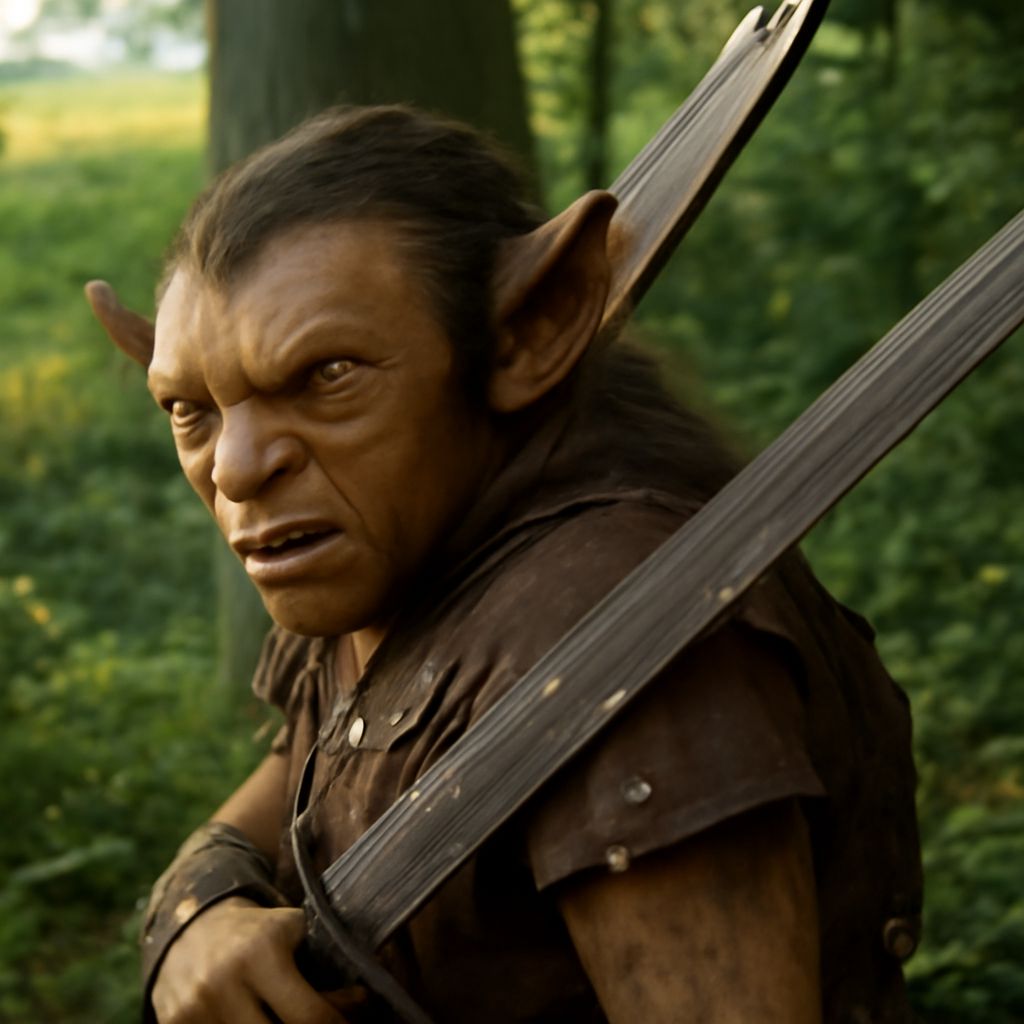
Goblins in Dungeons & Dragons (D&D) are a classic staple of the game, known for their mischievous nature and cunning tactics. As we delve into the world of D&D, we find that these small, green-skinned creatures play a significant role across various campaigns. They challenge players with their trickery and cleverness, making them a beloved yet formidable foe. Let’s explore the characteristics, abilities, and roles of goblins in D&D, as well as their interactions with other monsters.
What Are Goblins in D&D?
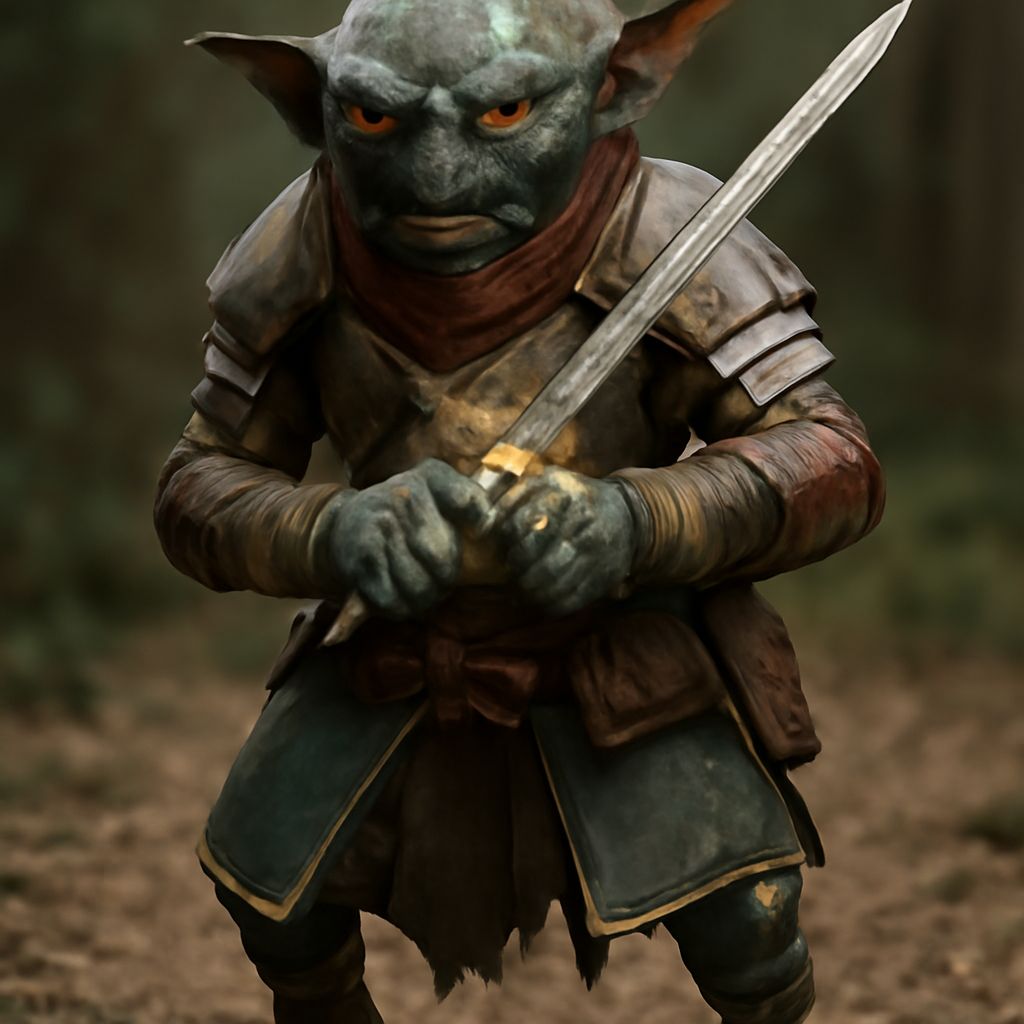
In D&D, goblins are typically portrayed as small humanoid creatures that are nimble and quick. Known for their green skin and sharp ears, goblins are often seen as one of the weaker monsters in the game. However, their strength lies in their numbers and ingenuity. They thrive in dark, underground environments, often forming tribes to bolster their defenses. Goblins are notorious for setting traps and using their environment to their advantage, making them a tricky opponent for adventurers.
Characteristics and Abilities of Goblins
Goblins possess several unique characteristics and abilities that make them interesting adversaries. Physically, they are small and agile, which allows them to move swiftly and avoid attacks. Their size makes them excellent at hiding and sneaking, skills they frequently use to ambush unsuspecting adventurers.
One of their key abilities is Nimble Escape, which grants them the capability to disengage or hide as a bonus action on their turn. This ability enhances their survivability, allowing them to retreat quickly from dangerous situations. Goblins are also proficient in using simple weapons and are known to employ rudimentary yet effective strategies to outsmart their foes.
The Role of Goblins in Game Worlds
Goblins serve a unique role in D&D game worlds as both antagonists and narrative tools. They are often used to introduce new players to combat mechanics due to their relatively low hit points and straightforward attack patterns. However, their clever use of traps and ambushes can provide a surprising challenge even for seasoned players.
Beyond their role as combatants, goblins can add depth to a campaign’s story. Their tribal societies and interactions with other races can create intriguing plotlines and moral dilemmas for players. Goblins may serve as allies, villains, or even victims of larger evils, offering a flexible narrative tool for Dungeon Masters.
Interactions with Other Monsters
Goblins interact with a variety of other monsters within the D&D universe, often forming alliances or rivalries based on mutual interests. They might ally with orcs, hobgoblins, or bugbears, sharing territories and resources to strengthen their positions. Such alliances can pose a significant threat to adventurers, as combined forces can amplify their individual strengths.
Conversely, goblins may find themselves at odds with other creatures, such as trolls or ogres, competing for territory or resources. These interactions can lead to dynamic encounters where players must navigate the complex relationships between different monster factions. Understanding these interactions can provide players with critical insights into how to approach and resolve conflicts within the game world.
In summary, goblins in D&D are more than just a simple nuisance; they are a versatile and compelling element of any campaign. Their characteristics, abilities, and interactions with other monsters provide rich opportunities for storytelling and strategic play, ensuring that they remain a cherished part of D&D lore.