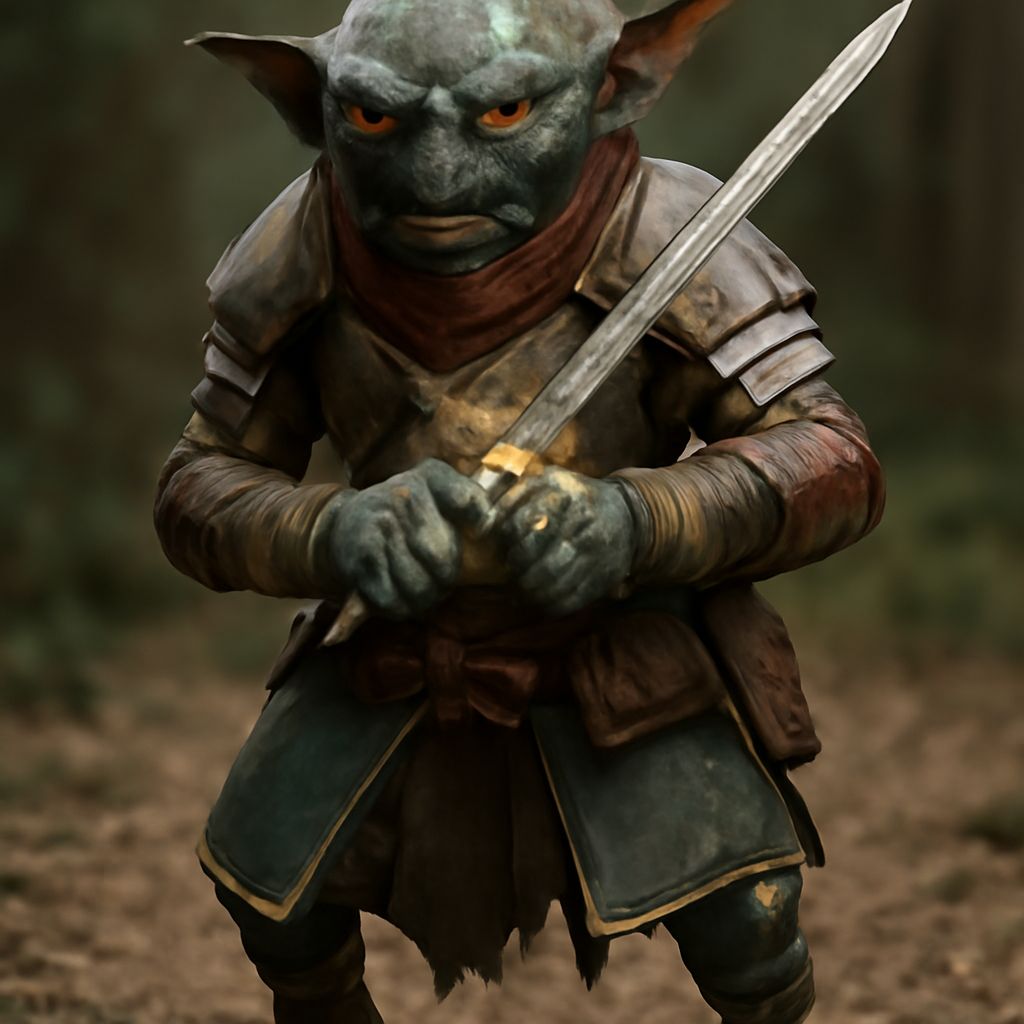
The chronomite stands out as one of the most distinctive orc monsters in modern game worlds. Whether we’re designing campaigns, running tabletop sessions, or engaging players in digital adventures, the chronomite offers a blend of classic orc ferocity and time-bending twists. Understanding what a chronomite is, how it fits into orc monster lore, and its gameplay mechanics can make it a memorable encounter in any fantasy setting.
What Is a Chronomite?
A chronomite is a unique variant of orc monster, featured in several fantasy tabletop RPGs and digital games. Unlike traditional orcs, which are often depicted as brutish warriors, the chronomite is defined by its intrinsic connection to the forces of time. The chronomite embodies the aggressive physicality of orcs but possesses abilities that allow it to manipulate temporal flows—making it a challenging and unpredictable foe.
Visually, chronomites are often portrayed as hulking green or gray-skinned humanoids, reinforced with armor or mystical runes that glow with temporal energy. Their eyes and weapons may shimmer with a faint distortion, hinting at their command over time itself. In most game systems, they appear as elite enemies among orc ranks, standing out due to their magical nature and their tactical impact on battles.
In essence, the chronomite is more than just another orc monster. It is a creature that blends raw strength with arcane power, introducing a tactical element that can disrupt a party’s strategy and add depth to the game world’s bestiary.
Origins and Lore of the Chronomite
The chronomite’s lore varies by setting, but several themes remain consistent. Most narratives describe them as the result of ancient orcish experiments with time magic, or as the chosen champions of deities who govern fate and history. Some tales suggest that chronomites were ordinary orcs forever changed by exposure to powerful temporal artifacts—crystals, relics, or portals—that warped their perception and mastery of time.
We often find chronomites acting as guardians of sacred sites, ruins, or artifacts linked to time. Their presence is rarely accidental; they appear at pivotal moments in a campaign, either to defend critical points in history or to serve as agents of chaos who disrupt the passage of time for their own gain. In some mythologies, chronomites are seen as cursed beings, burdened by knowledge of possible futures and doomed to endlessly repeat certain battles.
This rich lore makes chronomites ideal for storytelling. They can be used to foreshadow timeline-altering events or to highlight the dangers of meddling with temporal forces. Their backstory also provides hooks for quests, alliances, or moral dilemmas, as players must decide whether to destroy, cure, or negotiate with these time-twisted orc monsters.
Chronomite Abilities and Role in Gameplay
Chronomites are defined by their unique set of abilities, which set them apart from standard orc enemies. One of their signature powers is temporal distortion, allowing them to briefly slow or speed up time within a small area. In gameplay terms, this means they can manipulate initiative orders, force rerolls, or even grant themselves extra actions during combat rounds.
Many chronomites also possess time slip, an ability that lets them seemingly disappear and reappear a short distance away, dodging attacks or repositioning for tactical advantage. This makes them difficult for players to pin down and adds unpredictability to encounters. Some game systems grant chronomites a form of chronal backlash, where striking the monster may trigger delayed effects, such as suffering damage or conditions several turns later.
In a party encounter, the chronomite often serves as a disruptor or elite mini-boss. Its abilities can force players to rethink direct assault strategies and adapt to shifting combat dynamics. For example, a chronomite might rewind time to undo a critical hit, or it could accelerate an ally to grant them an extra attack. These capabilities encourage creative problem-solving and teamwork among players.
Because of their magical nature, chronomites may also resist traditional damage types and be vulnerable to time-based magic or certain relics. This gives game masters opportunities to reward exploration, lore investigation, and clever use of resources.
How to Use Chronomites in Your Game World
Integrating chronomites into our game world requires balancing narrative impact and mechanical challenge. We recommend introducing them as part of a larger arc involving time travel, forgotten histories, or magical anomalies. Their presence should always feel purposeful; perhaps they guard the entrance to a lost era, or they emerge to punish those who tamper with fate’s weave.
For tabletop RPGs, we can design encounters that highlight the chronomite’s abilities without overwhelming players. Limiting the number of chronomites or providing clues about their powers helps maintain tension while keeping gameplay fair. Create scenarios where players must use the environment or special items to negate the chronomite’s temporal tricks, rewarding strategy over brute force.
In digital game design, chronomites fit well as mid- to late-game antagonists. Their time-based attacks can break up the monotony of standard orc battles, and their unpredictable patterns challenge even experienced players. Adding environmental hazards or puzzles tied to time manipulation deepens the encounter and ties the monster’s lore to the game’s worldbuilding.
Finally, leveraging the chronomite’s unique characteristics lets us craft memorable stories and encounters. Whether as tragic figures, relentless foes, or even reluctant allies aware of branching futures, chronomites enrich the tapestry of any fantasy game world and offer fresh challenges for any group of adventurers.