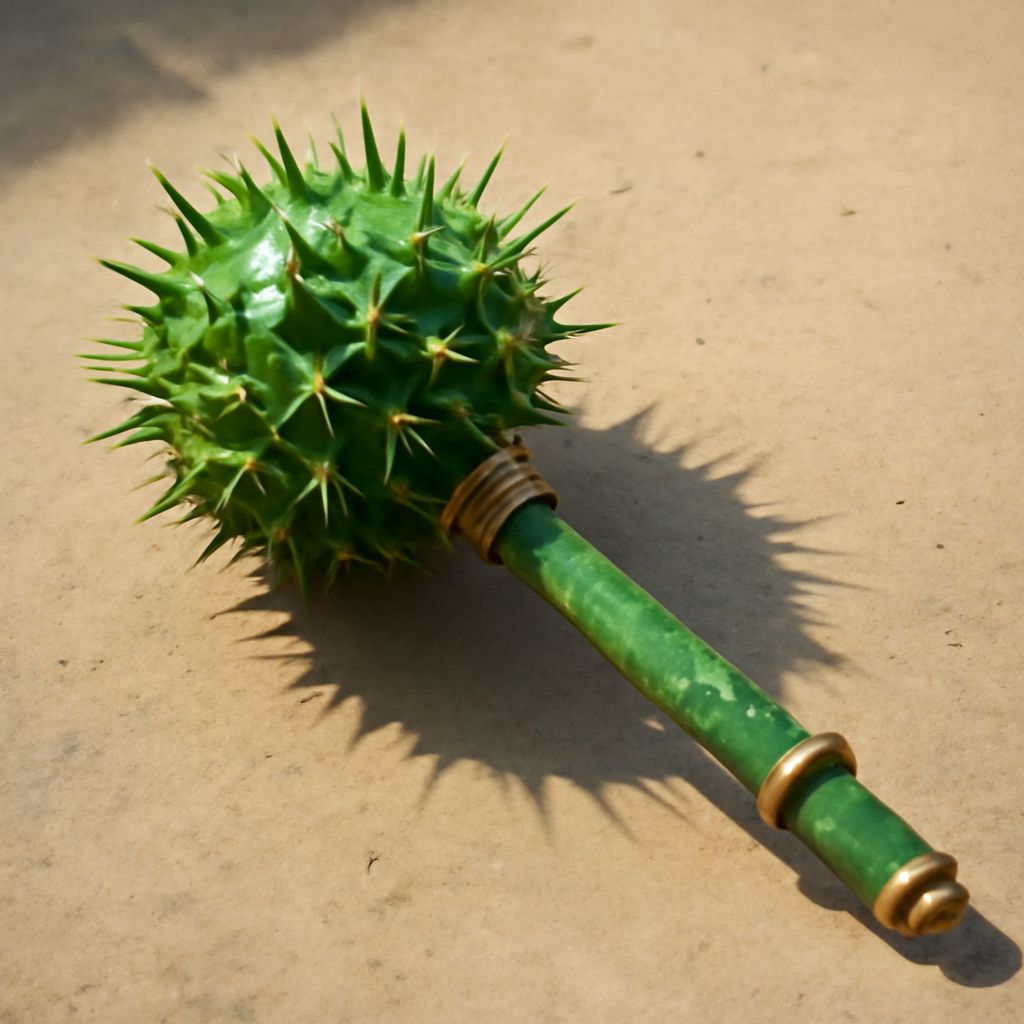
In the world of Dungeons & Dragons 5th Edition (D&D 5e), the mace is a staple weapon that offers versatility and practical combat benefits. Whether you are a seasoned player or a newcomer to the game, understanding the mace’s utility can enhance your character’s strategy and effectiveness in battle. Let’s dive into its features and explore how you can wield this iconic weapon to your advantage.
What is Mace in D&D 5e?
The mace 5e is a simple melee weapon in D&D 5e, often chosen for its straightforward design and usability by a wide range of character classes. As a bludgeoning weapon, the mace deals damage through sheer force, making it effective against enemies with heavy armor. It is typically a club with a heavy head, constructed from metal or stone, and is designed to cause significant injury with a single swing.
In game terms, the mace in D&D 5e is categorized as a one-handed weapon, making it an excellent choice for characters who prefer to keep one hand free for spellcasting or holding a shield. Its simplicity allows even those with minimal combat training to wield it effectively, providing a solid option for clerics, paladins, and other classes that might require a reliable melee weapon without a steep learning curve.
Features and Benefits of Using a Mace
The mace offers numerous advantages that can significantly impact your gameplay. Firstly, its damage type—bludgeoning—is particularly useful against skeletons and other creatures vulnerable to such attacks. Since many adversaries in D&D 5e are armored, the mace’s ability to deliver forceful strikes makes it a practical option for bypassing heavy defenses.
Additionally, the mace’s straightforward mechanics mean it does not require proficiency in martial weapons, allowing characters with proficiency in simple weapons to use it effectively. This accessibility makes the mace a popular choice for many character builds, especially for those who do not specialize in combat but need a reliable weapon in their arsenal.
The mace is also advantageous in role-playing scenarios where a character might need to carry a weapon that does not draw unwanted attention. Its mundane appearance makes it less conspicuous than more exotic weapons, allowing for smoother interactions in social settings.
How to Effectively Use a Mace in Your Campaign
To maximize the mace’s potential, consider pairing it with complementary equipment and strategic tactics. For example, using a shield alongside a mace can significantly enhance your character’s defensive capabilities. This combination is particularly effective for clerics and paladins who need to protect themselves while maintaining offensive pressure.
Additionally, utilizing spells or abilities that enhance melee attacks can further increase the mace’s effectiveness. Spells like Divine Favor or Magic Weapon can boost attack rolls and damage output, allowing you to overcome tougher adversaries.
Positioning also plays a crucial role in maximizing the mace’s utility. Engaging opponents at close range allows you to capitalize on the mace’s damage type while providing opportunities for tactical maneuvers such as flanking. Collaborating with party members to set up advantageous positions can greatly enhance the effectiveness of each strike.
The mace can also be a thematic element in your character’s story. Whether it’s an heirloom from a revered ancestor or a symbol of your character’s faith, the mace can add depth to your role-playing experience.
By understanding the mechanics and strategic uses of the mace in D&D 5e, we can better equip our characters for the challenges that lie ahead. Whether you’re facing hordes of undead or navigating complex social environments, the mace proves to be a reliable and versatile tool in your D&D 5e adventures.