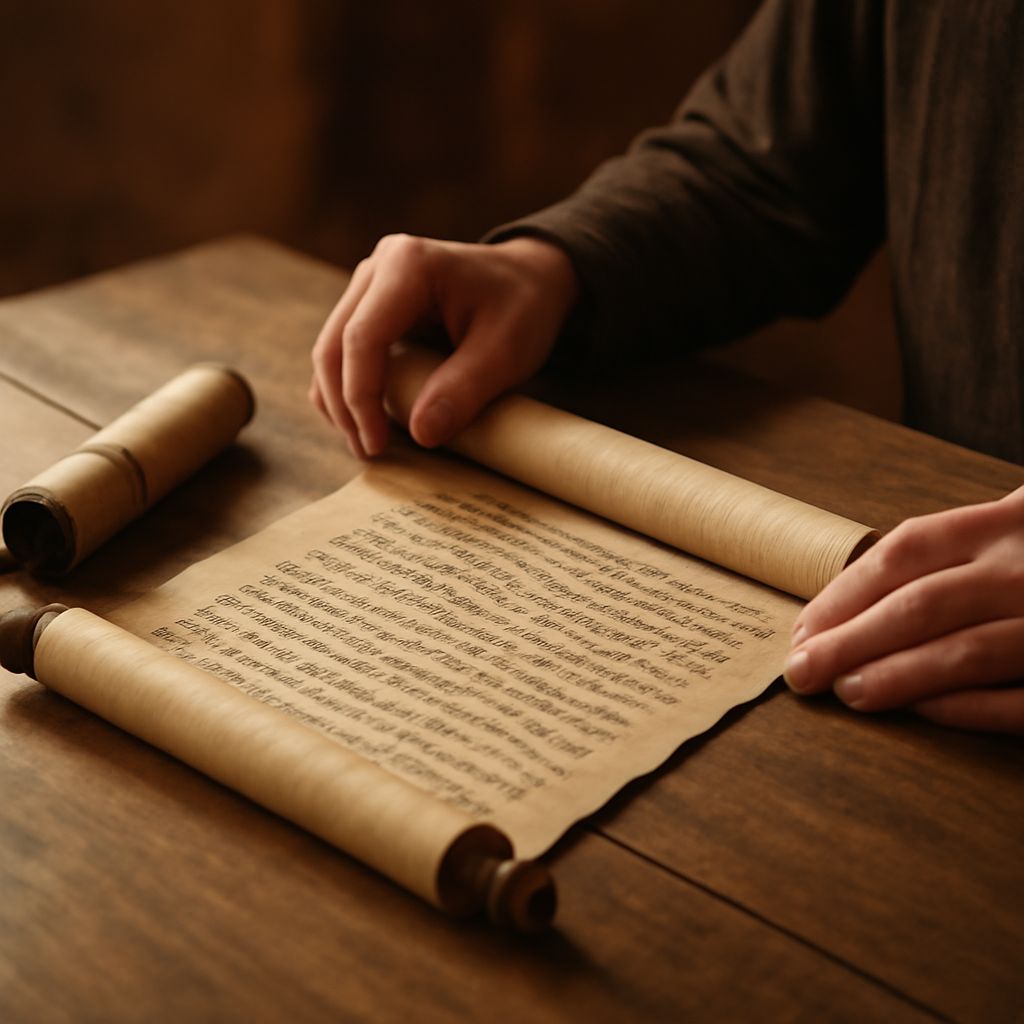
In Dungeons & Dragons 5th Edition, spell scrolls are magical items that hold a single spell, allowing players to cast it without using a spell slot. These scrolls are invaluable for spellcasters who want to conserve resources or quickly access spells they may not typically have prepared. We will explore what spell scrolls are, how to create them, their usage, and the inherent limitations that come with them.
What Are Spell Scrolls in 5e?
Spell scrolls in 5e are consumable magic items that store a single spell. When a spellcaster reads the scroll, the script vanishes as the spell is cast. The level of the spell stored on the scroll determines the scroll’s rarity and the ability required for a spellcaster to use it effectively. A spell scroll holds any spell from any class’s spell list, making it a versatile tool for adventurers.
Creating Spell Scrolls
Creating spell scrolls in D&D 5e requires time, materials, and proficiency in the Arcana skill. A character must have the spell prepared or be able to cast it for the duration of the crafting process. The spell level dictates the time and gold cost of creation. For instance, a 1st-level spell might take a day and 50 gold pieces, while a 5th-level spell demands more resources and time. The character must also provide any material components necessary for the spell, expanding the logistical needs of crafting.
Using Spell Scrolls
Using spell scrolls in 5e is straightforward. The spell must be on the user’s class spell list, though the user doesn’t need it prepared. If the spell’s level is higher than the caster can usually cast, a successful Intelligence (Arcana) check is required. Failure results in the spell disappearing, without effect. Importantly, even non-casters can attempt to use scrolls, but they do so at a significant disadvantage due to their lack of spellcasting ability.
Limitations of Spell Scrolls
Despite their utility, spell scrolls come with limitations. The primary restriction is that the spell must be on the user’s class spell list; otherwise, the scroll is unreadable. Additionally, scrolls that are beyond the caster’s spellcasting ability level require a potentially risky Arcana check. Once used, the scroll is consumed, making its single-use nature something players must consider strategically. Moreover, environmental factors, such as casting underwater or in strong winds, can complicate scroll use.