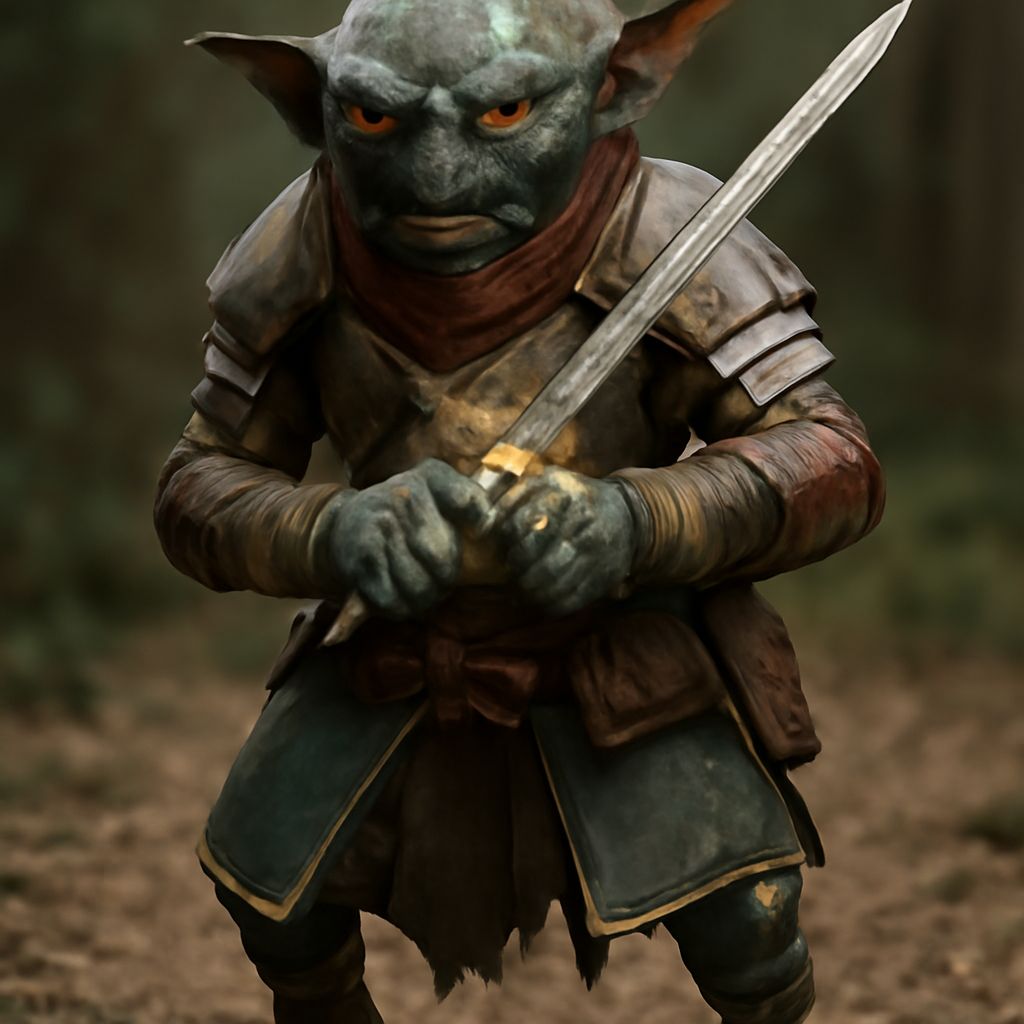
Help an ally land a crucial blow, uncover a forgotten story, and turn a tense negotiation with well-chosen words. A bard who is a gnome can bring all three talents to an adventure, whether the character performs on a stage or keeps a quiet record of events.
This build uses the 2024 Player’s Handbook rules for the gnome and bard. The gnome bard is a Small character with a 30-foot speed. In this version, ability score increases come from your background, so choose one that supports your concept and gives you access to Charisma.
Give your magic a sturdy foundation
Charisma is the bard’s spellcasting ability and helps with social skills. Dexterity improves Armor Class and initiative, while Constitution supports hit points and concentration saves. A gnome who plays a bard benefits from balancing social and combat needs. For a bard of gnome ancestry, prioritize Charisma, then decide whether better defenses or stronger concentration matters more to your role.
Gnomish Cunning grants advantage on Intelligence, Wisdom, and Charisma saving throws. It can help against effects that target those defenses, but does not protect every saving throw or make you immune to spells. Darkvision extends 60 feet, useful for scouting a dim passage with a party that can see in the dark. A gnome bard still needs allies nearby when a physical threat reaches the back line.
Pick a lineage that invites action
A forest gnome who becomes a bard knows Minor Illusion and has Speak with Animals prepared. The latter can be cast without a spell slot a number of times equal to your proficiency bonus per long rest, or with available spell slots. Ask a bird what it witnessed or create a distracting sound. An animal’s knowledge and willingness to cooperate remain part of the conversation.
A rock gnome who becomes a bard knows Mending and Prestidigitation and can spend 10 minutes casting the latter to build a Tiny clockwork device. Choose one permitted Prestidigitation effect when creating it; a creature can activate the device by touch as a bonus action. For a gnome performing as a bard, a little music box might deliver a signal during a negotiation or accompany a story. It is a tool for an effect, not a device with unlimited powers.
Support the party one decision at a time
Bardic Inspiration lets you use a bonus action to give another creature within 60 feet a die if it can see or hear you. The recipient can add the die after failing a d20 test, potentially turning failure into success. Uses are limited; at level 5, you regain them on a short or long rest and can also spend a spell slot to recover one. The gnome bard can reserve a die for the rogue’s dangerous check or the fighter’s decisive attack.
Choose spells with different jobs. Healing Word can restore an ally at a distance using a bonus action; Dissonant Whispers can damage a target and force movement on a failed save. Faerie Fire can reveal invisible creatures and help allies attack affected targets, but requires concentration. A gnome adventurer playing a bard should coordinate with other casters: only one of your concentration spells can remain active at a time.
At level 2, Expertise doubles your proficiency bonus for two chosen skill proficiencies. Persuasion and Investigation create a negotiator who also follows evidence; Performance and Insight suit someone who reads an audience. A bard with gnome heritage can fill gaps in the group rather than duplicating every other expert.
Choose a college and a reason to travel
At level 3, College of Lore adds three skill proficiencies and Cutting Words, a reaction that spends Inspiration to hinder an enemy’s roll or reduce damage. College of Valor favors a weapon-bearing bard, while Glamour emphasizes magical influence and support. The gnome bard who chooses Lore can become a field researcher; Valor suits a storyteller who fights beside the people whose deeds they record.
A gnome’s life as a bard need not revolve around jokes. Perhaps the character preserves testimony from displaced villagers, or collects songs that reveal a kingdom’s hidden history. Give the DM people and places to introduce.
Choose Lore if you want broad skills and flexible problem-solving. Choose Valor if fighting alongside allies is the central image, or Glamour if shaping a crowd’s emotions is what draws you to the character.