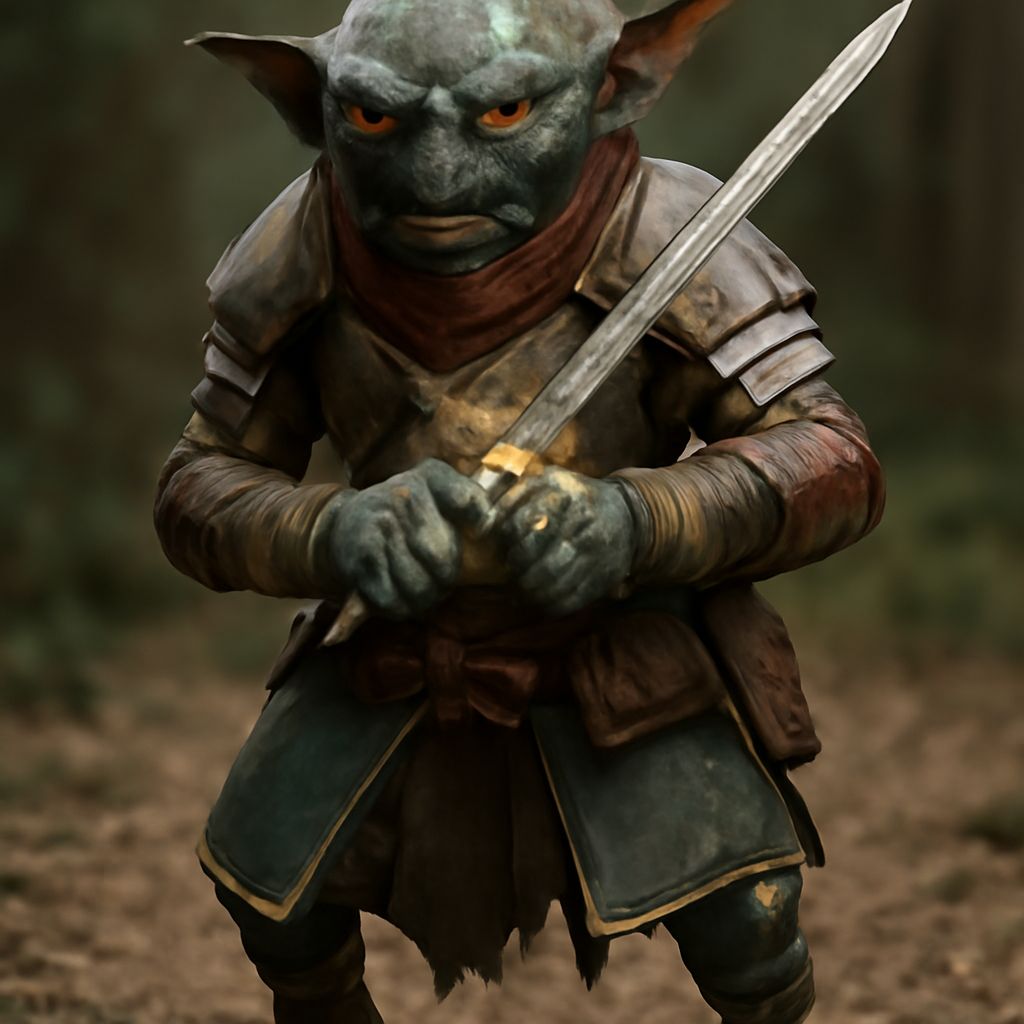
Kenku names set the tone for these mysterious, mimicry-driven birdfolk in Dungeons & Dragons. Whether we’re rolling up a new character or breathing life into an NPC, choosing the right kenku name is more than a creative exercise—it anchors personality, backstory, and roleplaying cues. Let’s dive into what distinguishes the best kenku names, their conventions, and how we can craft memorable options for our next tabletop adventure.
What Makes a Good Kenku Name?
A good kenku name is instantly evocative, memorable, and rooted in the unique traits of kenku culture. Since kenku lack their own spoken language, their names often reflect sounds, phrases, or onomatopoeia they have heard and can mimic. This means that the best kenku names capture something about the sounds, professions, or environments the character has been exposed to. Names like Clatter, Whistle, or Rustle immediately paint a picture of a kenku’s past experiences and personality.
We should also consider how the name will work in play: it should be easy to say, fit the kenku’s background, and provide hooks for roleplaying. A name that hints at a kenku’s obsession (like Goldgleam for a treasure-seeker) or skill (such as Lockclick for a rogue) gives the player and Dungeon Master a clear roleplaying angle. Ultimately, a strong kenku name balances creativity with believability in the context of the game world.
Finally, the best names lend themselves to memorable table moments. Because kenku cannot create new speech and must mimic what they’ve heard, a name based on a distinctive noise or phrase can lead to delightful in-game interactions and character quirks. We want a kenku name that sparks curiosity, adds flavor, and fits seamlessly into our campaign’s setting.
Kenku Naming Conventions and Origins
Kenku names traditionally stem from the sounds and phrases they’ve encountered throughout their lives. Since kenku are skilled imitators, they can only speak by reproducing noises, snippets of conversation, or environmental sounds. This unique limitation shapes their naming conventions: most kenku names are composed of onomatopoeic words, catchy phrases, or descriptive noises rather than traditional names.
For example, a kenku raised in a bustling port might adopt the name Bells or Splash, while one who spent time near a forge could be called Hammerstrike or Sizzle. Sometimes, kenku combine two or more sound-based elements to create compound names like Clink-Jangle or Tap-Tap. In rarer cases, kenku may mimic short phrases they’ve heard repeatedly, such as Who Goes There? or Watch Your Step.
It’s also common for kenku to adopt names given by other races, especially if a particular nickname or descriptor catches on in their community. However, traditional kenku naming always circles back to their core identity as creatures of mimicry. We see this reflected not just in their names, but in their mannerisms and communication style, making each character’s name a crucial part of their overall concept.
Kenku Name Ideas and Examples
To help inspire your next character, here are a variety of kenku names, ranging from single-sound to more elaborate compound forms. Each name evokes a distinctive background or personality trait:
- Single Sound or Action Names: Click, Whistle, Screech, Tap, Clatter, Rattle, Thunk, Chirp
- Compound and Descriptive Names: Lockpick, Shadowstep, Coinflip, Featherfall, Chainpull, Rustlewing, Snap-Twist, Scrapecall
- Phrasal or Quoted Names: Open Up, All Clear, Keep Quiet, Who’s There?, Good Trade, Too Loud, Time to Go
- Environmental or Item-Based Names: Mugdrop, Inkspill, Lanternlight, Stormcall, Bottlecap, Windwhistle, Rainpatter
Consider which names resonate with your character’s backstory, occupation, or personality. For instance, Jingle could suit a kenku thief, while Hush works for a stealthy scout. Don’t hesitate to combine elements to create something unique yet evocative.
Tips for Creating Unique Kenku Names
When we want a kenku name that feels fresh and memorable, we start with our character’s environment and history. What sounds dominate their daily life? A kenku raised in a city might have a name like Coinclink or Shout, while one from a forest could be Leafrustle or Brookbabble. Use environmental cues to anchor your name choices in your kenku’s lived experiences.
Mix and match onomatopoeic words, snippets of overheard conversation, or short phrases for a more distinctive result. We can also use wordplay: blend two meaningful noises, such as Snapcrack or Dripdrop, or adapt idioms and commands into names like Step Lightly or All Done. Remember, brevity helps with playability—a name that’s easy to say will stick with your group and Dungeon Master alike.
We should also draw inspiration from the kenku’s skills and aspirations. If your character is a skilled locksmith, names like Lockturn or Keytwist will tie into their story. For those with a mysterious or ominous bent, consider names like Murmur, Chillwind, or Nightcall. Finally, don’t be afraid to test your ideas out loud—the most resonant kenku names sound just as intriguing as they look on paper.