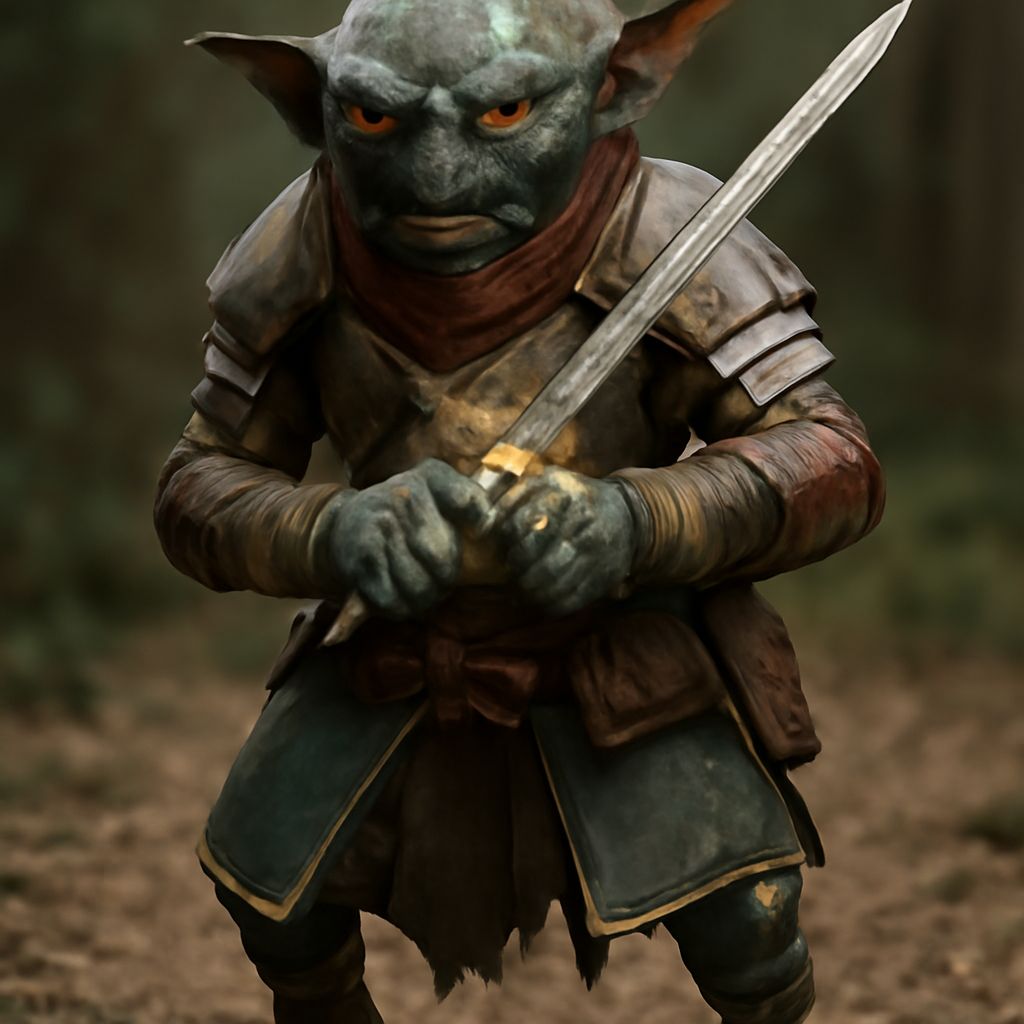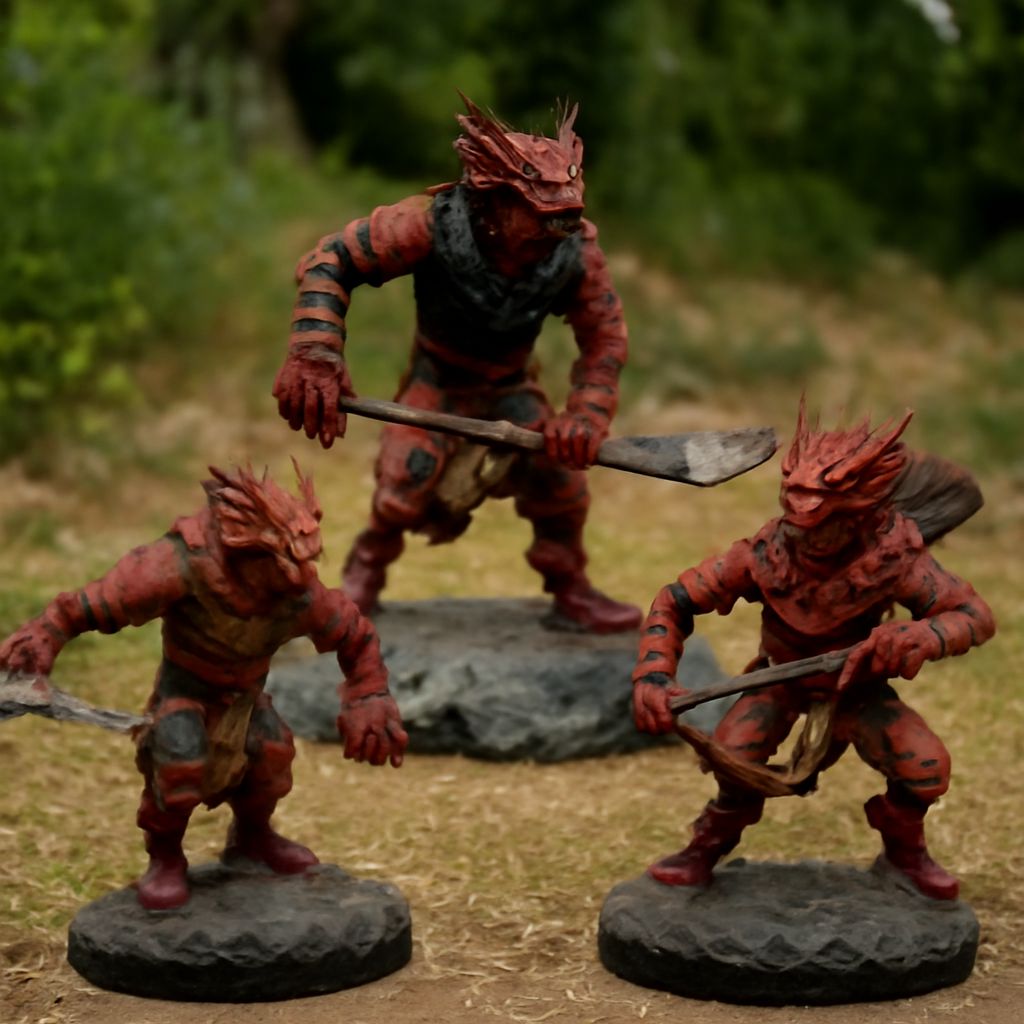
Kobolds have long been a staple in the world of Dungeons & Dragons (D&D), offering players a unique opportunity to explore the lives of these intriguing creatures. Known for their cunning tactics and unwavering loyalty to their kin, kobolds provide a rich narrative element for any campaign. In this article, we’ll delve into the essence of kobolds, examining their traits, culture, and how to effectively incorporate them into your roleplaying sessions.
What Are Kobolds?
Kobolds are small, reptilian humanoids often depicted with draconic features. In D&D, these creatures are typically portrayed as weak individually but dangerous in numbers, thanks to their cleverness and resourcefulness. Originating from Germanic mythology, kobolds have evolved within the D&D universe to become iconic figures known for their trap-making skills and communal living.
Kobold Traits and Abilities
Kobolds in D&D are characterized by several distinct traits and abilities. They are usually around 2 to 3 feet tall, with scaly skin ranging in color from dark red to brown. Their small stature grants them agility and the ability to navigate tight spaces. Notable abilities include:
- Darkvision: Kobolds can see in complete darkness, making them formidable foes in dimly lit environments.
- Pack Tactics: This ability provides kobolds with an advantage on attack rolls when an ally is nearby, emphasizing their strength in numbers.
- Cunning Action: With this skill, kobolds can use their bonus action to dash, disengage, or hide, allowing for quick escapes or repositioning during combat.
Their innate abilities make kobolds versatile in combat, especially when leveraging their environment to their advantage.
Kobold Culture and Society
Kobold society is heavily structured around communal living and strong hierarchies. They often worship dragons, seeing them as divine figures to emulate and serve. As such, a dragon or a powerful creature often leads kobold communities. Within these societies, roles are clearly defined, from warriors to trap-makers, ensuring that the community thrives.
Kobolds are known for their skill in crafting intricate traps, a reflection of their intelligence and strategic mindset. Their lairs are typically filled with these traps, designed to protect their treasures and homes from intruders.
Despite their often antagonistic role in campaigns, kobolds are not inherently evil. Their actions are driven by survival instincts and loyalty to their tribe and leaders. Understanding these motivations can add depth to how they are portrayed in your campaign.
Roleplaying Kobolds in Your Campaign
When incorporating kobolds into your D&D campaign, consider their unique traits and cultural background. As a Dungeon Master (DM), you can use kobolds to create dynamic encounters that challenge players to think creatively. Utilize their trap-making abilities and pack tactics to devise scenarios that require strategic planning and teamwork from the party.
For players interested in roleplaying a kobold, embrace their fervent loyalty and survival instincts. Consider how your kobold character views the world around them, and use their cunning and resourcefulness as key elements in your roleplay. Whether you’re a player or a DM, understanding kobold culture and society can lead to richer storytelling and more engaging gameplay.
Kobolds can serve various roles in your campaign, from cunning adversaries to reluctant allies. By exploring their intricacies, we can appreciate their role in the expansive world of Dungeons & Dragons, offering fresh perspectives and endless possibilities for adventure.