In the diverse and intricate world of Dungeons & Dragons (D&D), driders stand out as fascinating and formidable creatures. Originating from the dark depths of the fantasy universe, these half-spider, half-drow entities captivate players with their unique characteristics and intriguing lore. As we delve into the realm of driders, we’ll explore their origins, their role within D&D, and how they can enhance your campaigns.
What is a Drider?
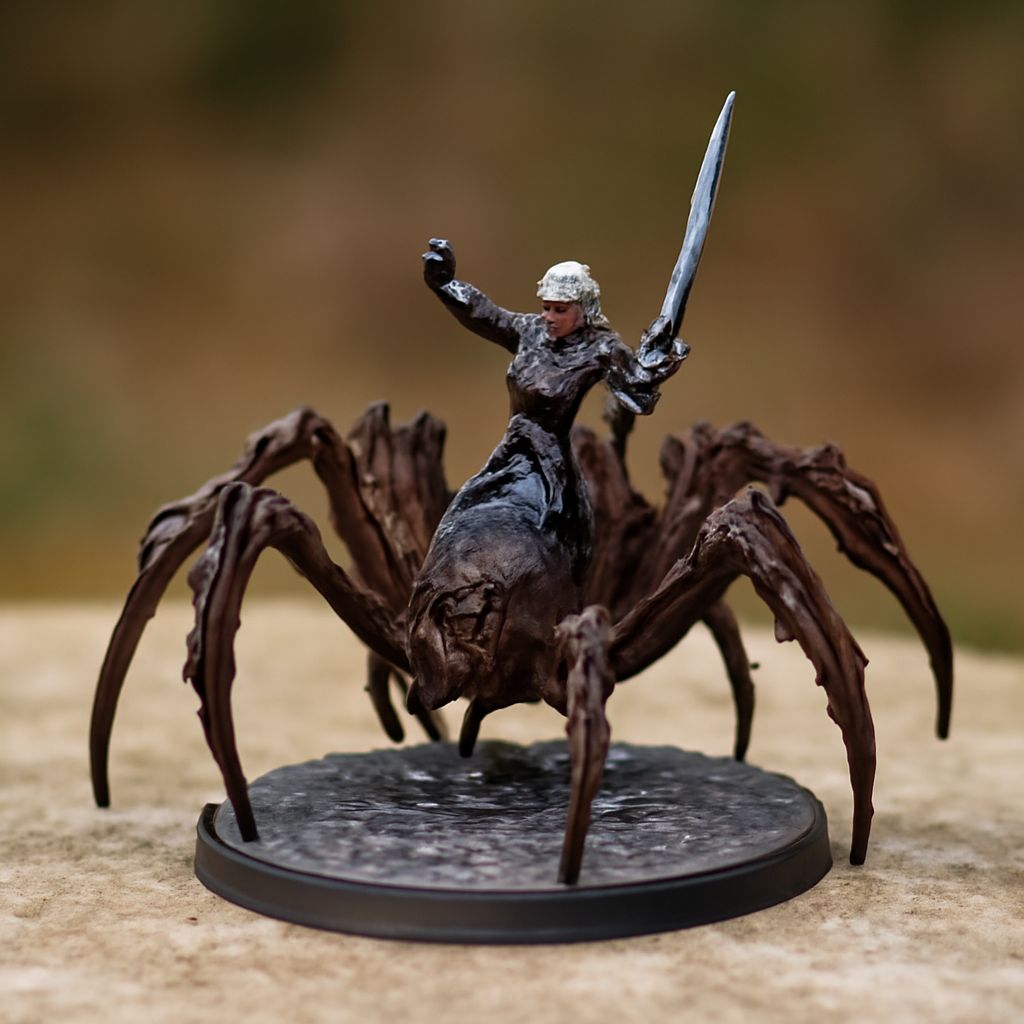
A drider is a creature that combines elements of a humanoid and a spider, specifically a drow and an arachnid. The upper body of a drider resembles that of a dark elf, while its lower half is that of a giant spider. This transformation is typically a punishment bestowed upon drow by the divine entity Lolth, the chaotic and evil goddess revered by the drow. Driders are often characterized by their agility, strength, and magical abilities, making them formidable adversaries in the game.
Driders possess several distinctive traits, including darkvision, allowing them to navigate effortlessly in pitch-black environments, and innate spellcasting abilities that can challenge even the most seasoned adventurers. Their arachnid form provides them with enhanced movement capabilities, such as climbing walls and ceilings, which can be strategically leveraged in combat scenarios.
Driders in Dungeons & Dragons
In Dungeons & Dragons, driders are primarily associated with the Underdark, a vast subterranean network where many drow reside. Within this complex ecosystem, driders serve various roles, from outcasts of drow society to fearsome guardians of hidden treasures. Their presence in a campaign can introduce elements of horror, danger, and moral dilemmas, as PCs (player characters) grapple with their existence.
Driders typically embody the chaotic and ruthless nature of Lolth, arising as both a cautionary tale and a symbol of her divine wrath. This transformation into a drider is seen as both a curse and an empowerment, leading to interesting dynamics within drow culture. As such, driders can be used in campaigns to explore themes of power, punishment, and redemption, adding depth to the narrative.
Incorporating Driders in Your Campaign
Integrating driders into your D&D campaign can significantly enrich the storytelling experience. Here are a few approaches to consider:
- Setting the Scene: Position driders within the dark caverns of the Underdark, creating an eerie and suspenseful atmosphere. Their ability to navigate these treacherous landscapes can add thrilling elements to exploration and combat encounters.
- Motivations and Goals: Develop complex backgrounds for driders, exploring their motivations and allegiances. Are they loyal followers of Lolth, seeking to fulfill her chaotic desires, or are they tormented souls seeking redemption or escape from their cursed existence?
- Engagement with PCs: Driders can serve as both antagonists and unlikely allies. A drider may approach PCs with an offer of assistance in exchange for aid in breaking Lolth’s curse, creating moral quandaries and opportunities for character development.
- Strategic Combat: Use driders’ unique abilities to craft dynamic combat scenarios. Their proficiency in spellcasting combined with agile movements can challenge PCs to think creatively and adapt strategically.
By thoughtfully incorporating driders into your campaign, you can enhance the richness and complexity of your Dungeons & Dragons adventure. Their unique blend of horror, intrigue, and power offers endless opportunities for creative storytelling and memorable gameplay experiences.