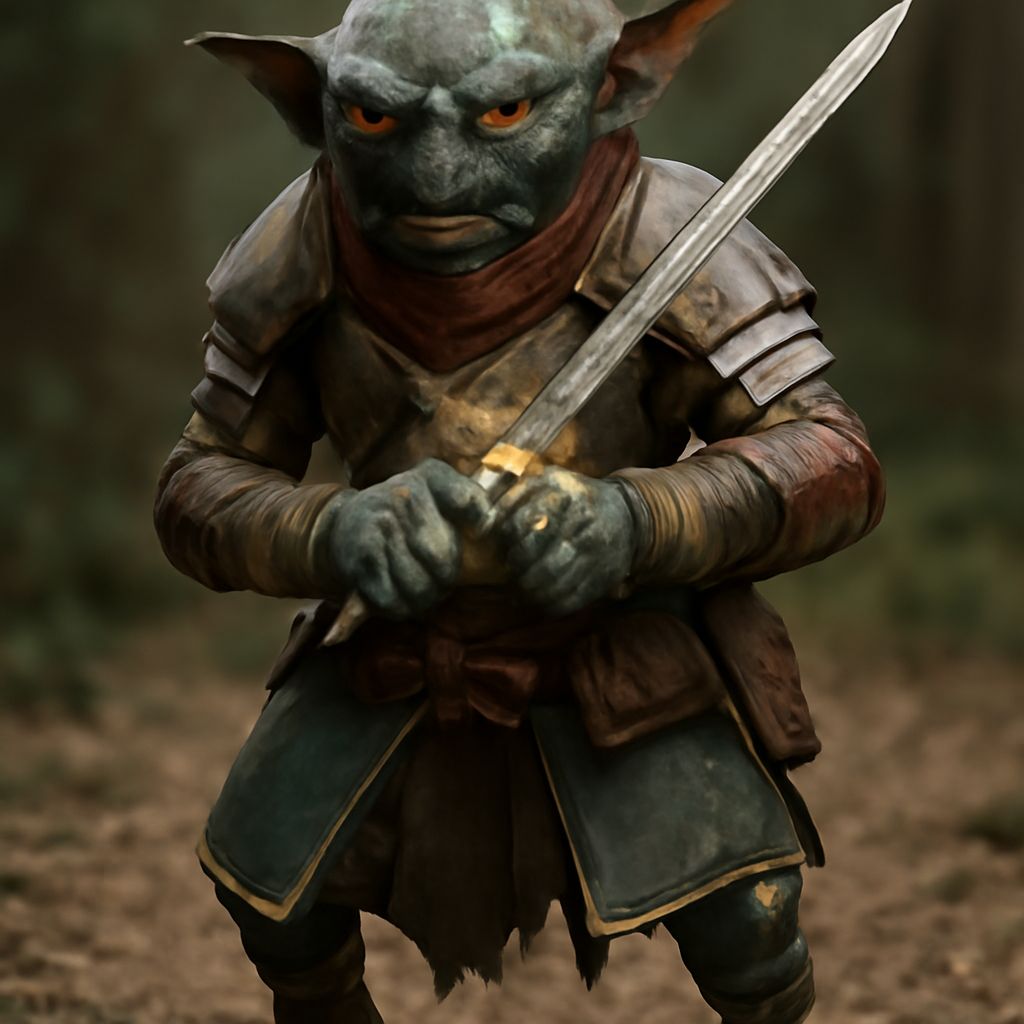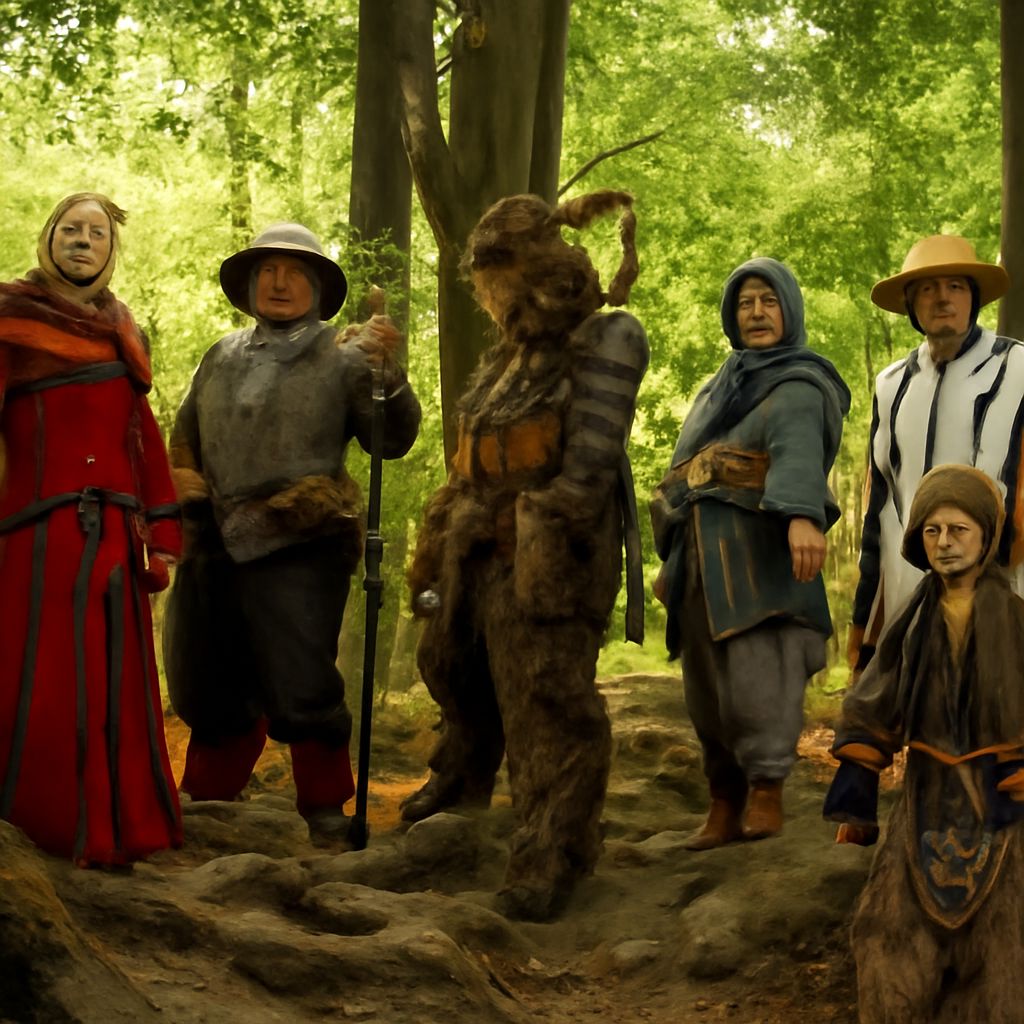
Designing an indie live action role play (LARP) experience presents an exciting opportunity to craft immersive worlds where players can escape reality and embody unique characters. As we embark on this journey of creativity, we should focus on essential elements such as theme selection, character development, and game mechanics. These components form the foundation of an engaging LARP experience that captivates participants and encourages memorable interactions.
Understanding the Basics of LARP
Live action role play, commonly known as LARP, combines elements of traditional tabletop role-playing games with physical activity and improvisational theater. Participants create characters and engage in narrative-driven scenarios, interacting with others in a shared fictional world. The heart of any LARP is its community, where collaboration and creativity drive the experience forward. Organizers must ensure that the rules are clearly defined and accessible to newcomers, fostering an inclusive environment that welcomes participants of all skill levels.
Choosing a Theme and Setting
One of the first steps in designing a LARP is selecting a compelling theme and setting. This choice influences the game’s atmosphere and player engagement. Whether we opt for a fantasy realm filled with mythical creatures or a post-apocalyptic landscape, the theme should resonate with our audience and inspire creative character development. Consider what will spark participants’ imaginations and drive them to invest emotionally in the storyline. A well-chosen setting serves as a backdrop for the narrative, providing context for quests, conflicts, and alliances.
Developing Characters and Plots
Character development is central to an engaging LARP experience. Players should be encouraged to create detailed backstories that inform their actions and interactions within the game. Organizers can facilitate this process by offering character templates or workshops that help participants flesh out their roles. We should also craft intricate plots that allow for character growth and unexpected twists. A balance between scripted events and player-driven narratives ensures that everyone has the opportunity to contribute to the unfolding story.
Implementing Game Mechanics
Game mechanics are the rules and systems that govern interactions within the LARP. These can range from simple combat systems to complex magic rules, depending on the theme and scope of the experience. It’s crucial to ensure that the mechanics are intuitive and enhance the immersion rather than complicate it. We might employ a combination of physical challenges, puzzles, and strategic decision-making to keep participants engaged and challenged. Regular feedback sessions with players can help refine these mechanics, ensuring that they remain balanced and fair.