In the sprawling multiverse of Dungeons & Dragons 5e, few entities inspire as much dread as Orcus, the Demon Prince of Undeath. As a versatile antagonist, Orcus can bring a chilling depth to your campaign. With his necromantic powers and malevolent influence, understanding Orcus in DnD 5e can enrich your storytelling and provide unforgettable challenges for your adventurers.
Who is Orcus in DnD 5e?
Orcus is a malevolent demon lord in Dungeons & Dragons 5e, known as the Demon Prince of Undeath. His dominion is based in the Abyss, a chaotic realm filled with untold horrors. As a being obsessed with death and immortality, Orcus commands a vast army of undead minions and is constantly plotting to expand his influence across the planes. His ultimate goal is to extinguish all life, turning the multiverse into a realm of the undead under his control.
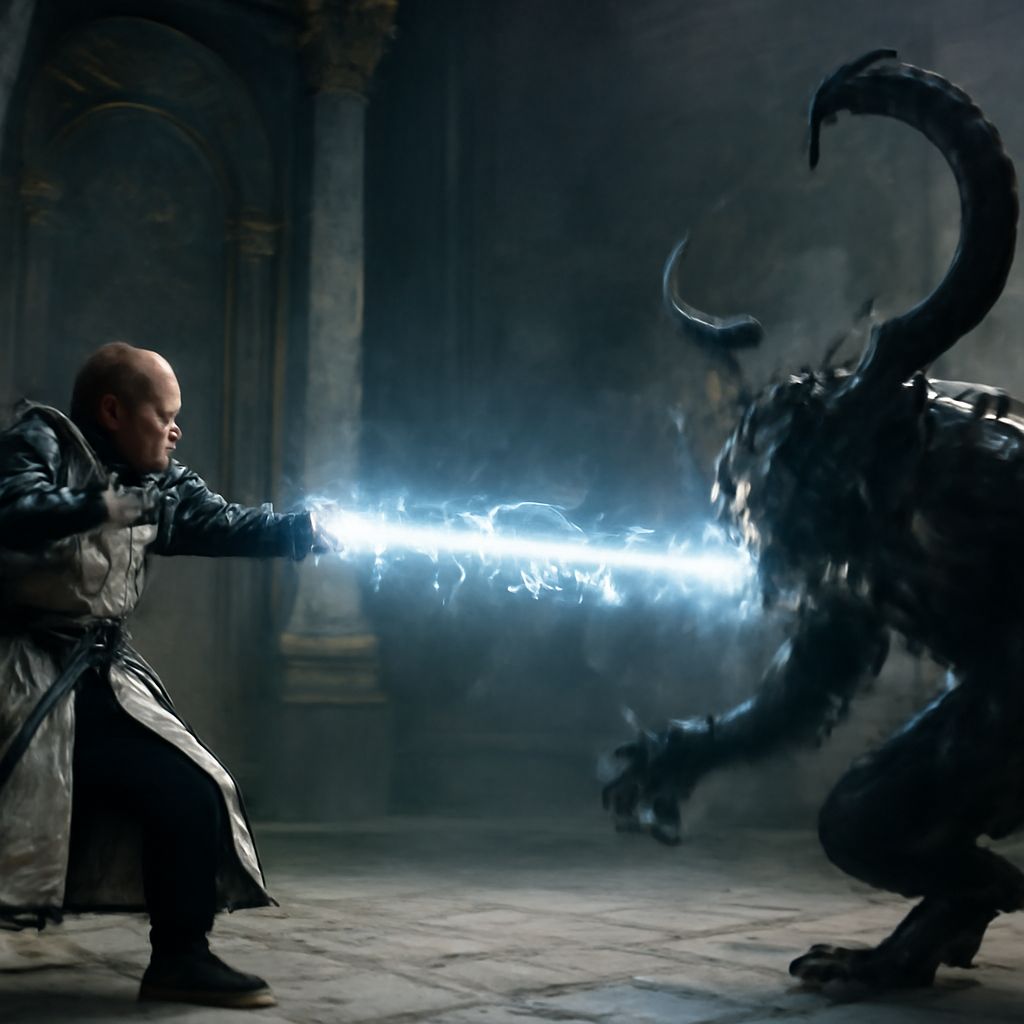
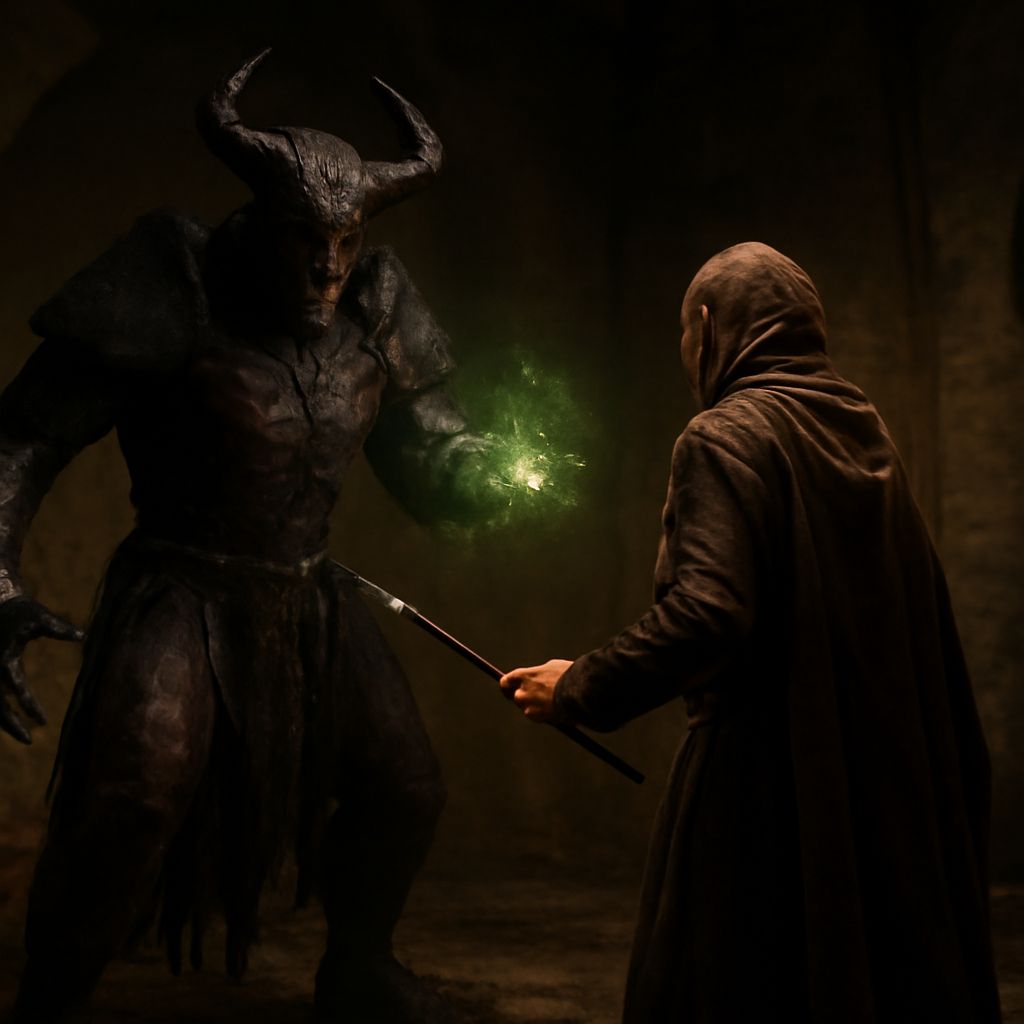
Orcus’s appearance is as terrifying as his reputation. He is typically depicted as a massive, bloated figure with the wings of a bat, the head of a goat, and a long, barbed tail. In his hand, he wields the Wand of Orcus, a powerful artifact that grants him control over life and death.
Powers and Abilities of Orcus
Orcus’s capabilities in DnD 5e are formidable. His most iconic tool is the Wand of Orcus, a legendary artifact capable of raising entire armies of undead. The wand also empowers him with devastating necromantic spells, allowing him to drain the life force from his enemies or summon waves of shadowy minions.
In addition to his mastery over necromancy, Orcus possesses significant physical power. His brute strength and demonic durability make him a fearsome opponent in direct combat. As a demon lord, he can also teleport, fly, and resist many forms of magical attacks, making him a highly versatile and unpredictable adversary.
His aura of death weakens those who dare to challenge him, sapping their vitality and rendering them vulnerable to his undead army. With these abilities, Orcus represents a threat not just through sheer force, but through psychological terror and overwhelming odds.
Incorporating Orcus into Your Campaign
Integrating Orcus into a campaign can elevate the stakes and provide a memorable experience for players. Here are some ways to incorporate the Demon Prince of Undeath into your storytelling:
- Long-Term Antagonist: Orcus can serve as the ultimate villain in a campaign, with his schemes unfolding over many sessions. Players might first encounter his minions or cultists, gradually uncovering his larger plans and eventually facing the demon prince himself in a climactic showdown.
- Artifact Quest: The Wand of Orcus can be the focal point of an adventure, with players seeking to destroy it or prevent it from falling into the wrong hands. This artifact’s immense power makes it a coveted prize for many factions, leading to a complex web of alliances and betrayals.
- Undead Armies: Orcus’s ability to raise undead armies can provide a persistent threat, forcing players to defend cities or uncover the source of the undead plague. This approach can set the stage for epic battles and strategic planning.
- Moral Dilemmas: Incorporating elements of choice, Orcus’s influence can present moral challenges for players. They may encounter individuals who seek power through undeath or must decide whether to use forbidden necromancy to combat Orcus’s forces.
When adding Orcus to your campaign, it’s essential to balance his immense power with opportunities for player agency and growth. This approach ensures that facing Orcus feels like a natural culmination of the players’ journey and choices.