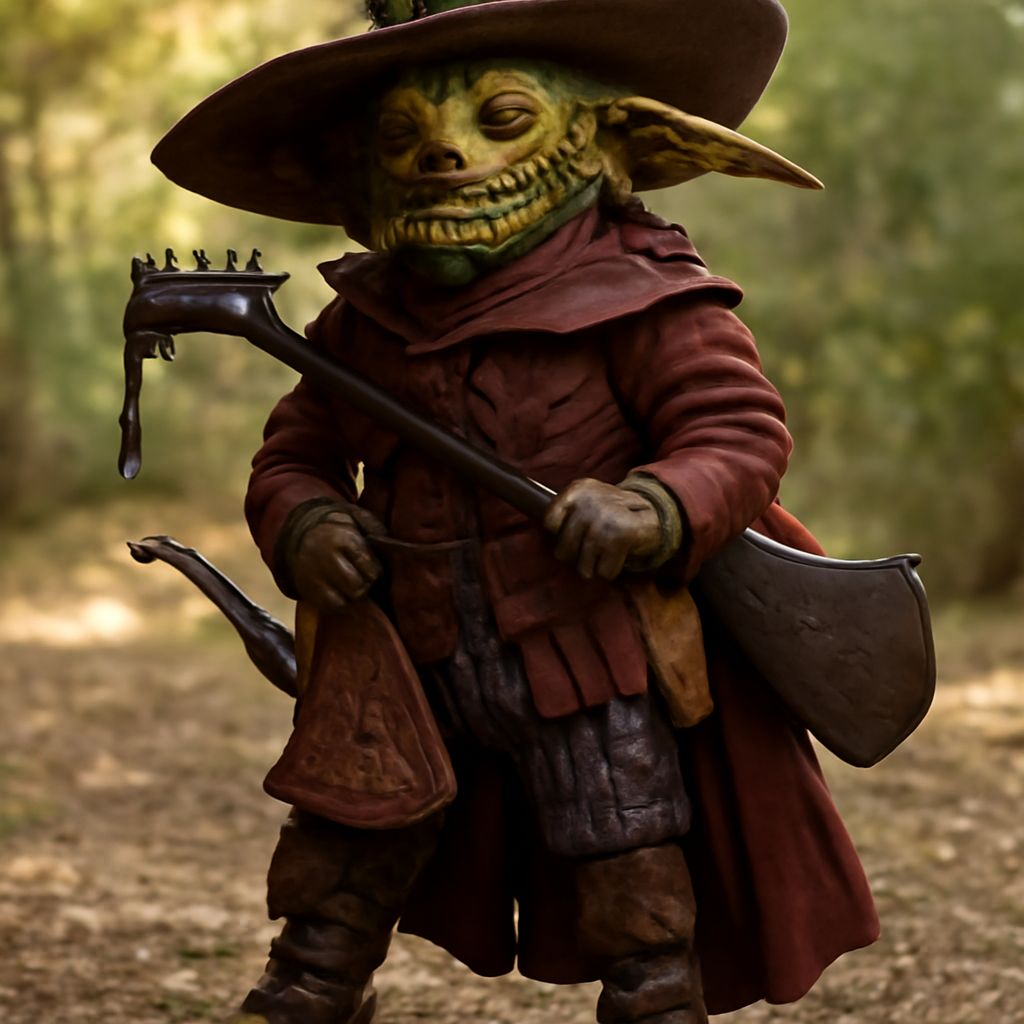
In Dungeons & Dragons 5e, the goblin race offers players a unique and versatile character option, full of intriguing traits and abilities that can enhance any campaign. Known for their cunning and agility, goblins make for exceptional adventurers in a variety of roles. Whether you’re drawn to their mischievous nature, their adaptability in combat, or their rich cultural background, playing a goblin opens up a world of creative possibilities. Let’s delve into the specifics of the goblin race in D&D 5e and uncover how to make the most of these diminutive yet dynamic characters.
Goblin Traits and Abilities
The goblin race in D&D 5e comes with a set of traits and abilities that complement their small stature and crafty nature. To start, goblins have a bonus to Dexterity and Constitution, making them quick and resilient, ideal for a variety of classes. This combination is particularly effective for rogues and rangers, who benefit from the added agility and toughness in both stealth and combat scenarios.
The standout goblin ability is Nimble Escape, which allows them to disengage or hide as a bonus action on each of their turns. This trait grants goblins superior mobility in battle, enabling them to weave in and out of danger with ease. Additionally, the goblin’s Fury of the Small ability allows them to add extra damage to an attack against a creature larger than themselves once per short or long rest. This ability is not only thematic, emphasizing the goblins’ innate ferocity, but also strategically beneficial when facing larger foes.
Role-Playing a Goblin in D&D
Role-playing a goblin in D&D is a chance to explore a character with a rich cultural background and unique worldview. Goblins often come from tribal societies where survival requires cunning and resourcefulness. This can translate into a character who is street-smart, quick-witted, and always looking for an edge in any situation.
Goblins have a reputation for being mischievous and sometimes unreliable, which can add layers to your character’s interactions with party members and NPCs. Embrace these traits by creating a backstory that explains your goblin’s motivations and ambitions. Perhaps they seek revenge against those who have wronged them, or maybe they are on a quest for personal freedom away from clan politics.
Consider how your goblin’s personality might clash or blend with the rest of the adventuring party. Are they a prankster who constantly tests the patience of their comrades, or a fiercely loyal friend who surprises everyone with their bravery? These dynamics can lead to memorable role-playing moments and character development.
Building a Goblin Character
When building a goblin character, it’s important to consider how their traits and abilities align with your chosen class and character concept. For example, if you’re playing a goblin rogue, you can capitalize on their high Dexterity and use Nimble Escape to masterfully navigate through combat. As a ranger, the increased Dexterity and Constitution can enhance your effectiveness in the wilderness, while Fury of the Small can amplify your attacks against large beasts.
Choosing the right background can further enrich your goblin character. Backgrounds like Urchin or Criminal can emphasize their streetwise and survival skills, while an Outlander background might suit a goblin who has spent much of their life in the wilds. Aligning your background with your character’s story can provide additional skills, proficiencies, and role-playing hooks.
Finally, don’t forget to personalize your goblin with unique traits, quirks, and goals that reflect their individuality. Whether they have a soft spot for shiny objects, a deep-seated fear of certain creatures, or a penchant for storytelling, these details will make your goblin memorable and enhance your overall D&D experience.