A clawed scout can keep both hands free while fighting; a tracker with a keen nose can follow a scent through unfamiliar ground. Both can belong to Pathfinder’s feline ancestry, but the heritage you choose gives each character a different tool. The choice becomes most interesting when it supports a role the party will actually use.
This guide uses Pathfinder Second Edition’s remastered Player Core 2. Earlier second-edition material, including the Advanced Player’s Guide, has its own wording and options. Confirm which books your Game Master is using, especially because this ancestry is uncommon and access can depend on the campaign.
Ancestry is the foundation
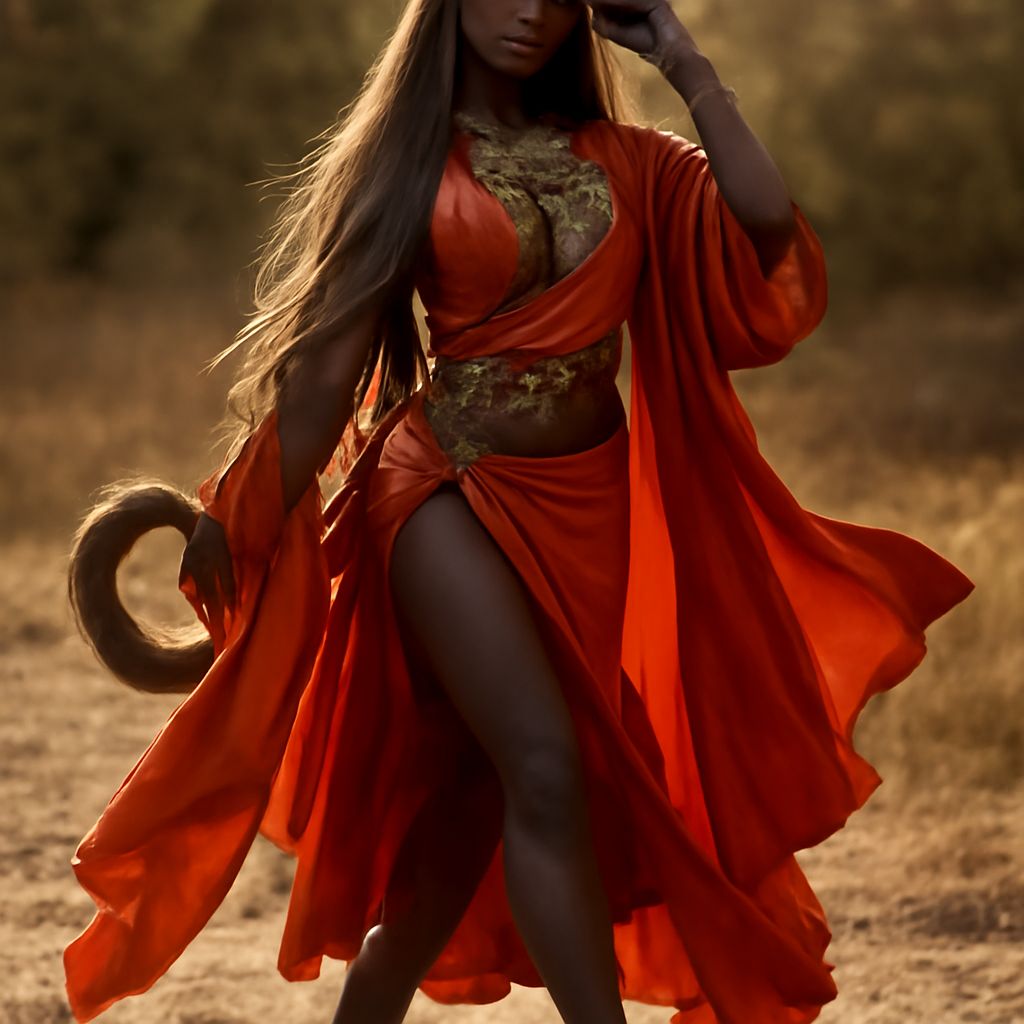
In Pathfinder, catfolk are also known as amurruns. They are humanoid people with feline features, and their appearances and communities vary. A character’s ancestry provides a starting set of traits; heritage and ancestry feats add choices, while background and class help determine training and the character’s broader role.
The remastered ancestry has low-light vision, which helps in dim light, and Land on Your Feet, which reduces falling damage under the feature’s rules. Neither feature makes someone a complete scout on its own. Skills, equipment, and allies help navigate hazards.
A useful comparison is between what an ancestry grants and what a class does repeatedly. A ranger may use tracking skills throughout an expedition; a bard may depend on conversation and performance. The same feline heritage can complement either concept without determining the character’s profession or personality.
Choose a heritage for a job
At first level, choose a heritage. The Player Core 2 rules offer several; these two show how differently the choice can shape play:
- Clawed catfolk gain a claw unarmed attack dealing 1d6 slashing damage, with the agile and finesse traits. It gives a character an attack without drawing a weapon. A monk or agile front-line character may appreciate that option, though the class’s own abilities still shape the fighting style.
- Hunting catfolk gain imprecise scent out to 30 feet and a bonus to Track something they have smelled before. Scent can help locate a creature, but it is imprecise: use the sense rules when deciding whether a target can be identified or attacked accurately.
Picture a search for a missing courier. The hunter might recognize a familiar scent near a fork in the road; the clawed companion might be ready when the trail leads into a cramped cellar. The party still has to interpret clues and decide whom to trust.
Pick feats that reinforce the concept
Catfolk choose an ancestry feat at first level and more as they advance. Cat’s Luck lets you reroll a failed Reflex save once per day and use the better result. It can help when a trap or area effect catches the party, though it is a limited resource.
For a more social feline adventurer, Well-Met Traveler offers Diplomacy training and Hobnobber, with an alternative skill choice if another source already grants that training. A traveler who gathers local stories can use this training to open conversations before the party enters unfamiliar territory. Later, Climbing Claws grants a climb Speed, giving a mobile character another way to reach a lookout or bypass an obstacle.
Check each feat’s prerequisites and level before planning a combination. An ancestry feature supports a build alongside class feats and skills; it does not replace the decisions those systems require.
Place the character in a world
Golarion offers a setting for amurrun characters: Paizo notes that many live in southern Garund. That geographic detail can inspire a home or connection without prescribing a single culture. A merchant raised in a port, a guardian of a natural place, and a scholar far from home can have different customs and goals.
D&D’s tabaxi are another feline people, with their own setting material and species rules. A visual similarity does not transfer their abilities into Pathfinder. For a custom world, ask the Game Master where this ancestry fits and choose a relationship or responsibility that gives your character a reason to adventure.
For a mobile fighter, consider the clawed heritage and feats that suit close work. For a scout, pair the hunting heritage with skills for tracking and observation. If your party needs a negotiator, a social feat and a suitable class or background can make that feline traveler the person who opens doors.