Bard instruments in 5e are more than just flavorful props—they shape how our characters use magic, inspire allies, and create memorable moments at the table. Whether we envision our bard strumming a lute, blowing a horn, or plucking a lyre, these tools define not only the sound of our performances but also the spells we cast and the stories we tell. For players seeking to understand the mechanics, benefits, and unique options for bard instruments 5e offers, this guide will walk us through everything we need to know to make the most of our bardic talents.
What Are Bard Instruments in 5e?
In Dungeons & Dragons 5th Edition, bard instruments are a specialized set of musical tools used by bards to channel their magic. Each bard begins with proficiency in three musical instruments of their choice, which allows them to add their proficiency bonus to any ability checks made using those instruments. More importantly, certain bard spells require a musical instrument as a spellcasting focus, enabling us to cast spells without needing material components if we have our chosen instrument in hand.
Using a bard instrument as a spellcasting focus streamlines play and opens up flavor possibilities. The Player’s Handbook specifies a range of standard instruments, such as the lute, flute, drum, horn, lyre, pan flute, shawm, viol, and bagpipes. Our choice can be based on our character’s background, culture, or thematic goals, so we’re never limited to just generic options.
Besides spellcasting, bard instruments often play a major role in social encounters, performances, or skill checks. They can grant advantage on checks to charm, entertain, or distract, depending on how creatively we incorporate them into our actions. As we progress, magical upgrades become available, further enhancing the power and versatility of our instrument of choice.
Types of Bard Instruments and Their Effects
The core rules list a diverse array of musical instruments, each with its own personality and possible uses. Here are the main options detailed in the Player’s Handbook:
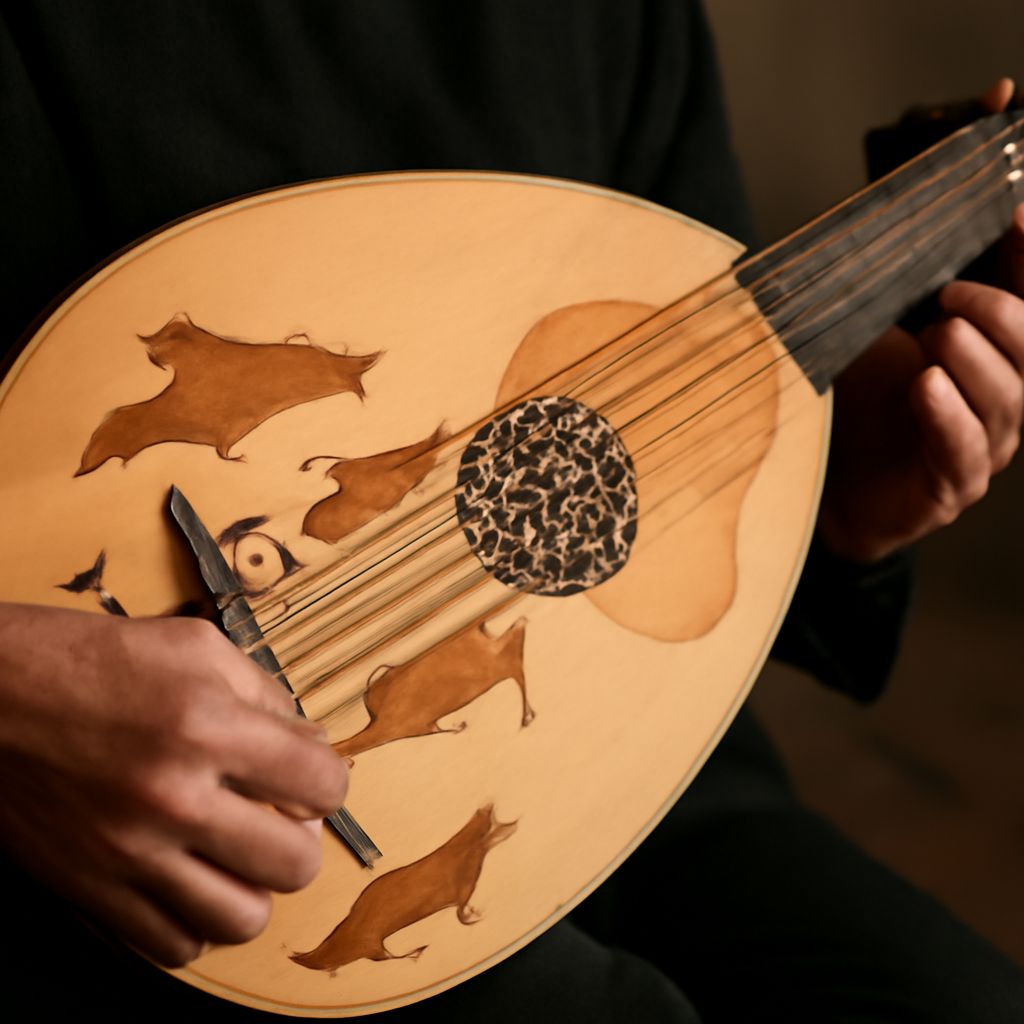
- Lute: Iconic for bards, versatile in both melody and cultural association. Great for performances that require subtlety or finesse.
- Flute: Lightweight and portable, suitable for both haunting solos and ensemble pieces.
- Drum: Bold, rhythmic, and excellent for stirring up energy in battle or crowds.
- Lyre: Classical and elegant, often used in courts or sophisticated social settings.
- Horn: Loud and commanding, perfect for signaling, battle cries, or drawing attention.
- Pan Flute: Unique timbre, favored in rustic or nature-themed campaigns.
- Shawm: Obscure and evocative of festive or historical settings.
- Viol: For somber or romantic tones, used in both sorrowful and celebratory performances.
- Bagpipes: Distinct and memorable, often chosen for bold, thematic characters.
Mechanically, the type of instrument rarely affects spellcasting directly, but it can come into play with skill checks, roleplaying, and DM rulings. For example, a bard might have advantage on a Persuasion check when serenading a noble with a lyre, or gain an audience’s attention in a tavern with a raucous drum solo. Creative use of bard instruments in 5e often translates to tangible in-game benefits, especially when we lean into our character’s backstory and performance style.
Some campaigns or Dungeon Masters might even allow custom instruments or homebrew options, provided they fit the campaign setting. Regardless of the type, bards should always carry at least one instrument they’re proficient with to ensure full use of their magical abilities and bardic features.
Instrument of the Bards: Magic Items Explained
Beyond standard musical tools, 5e introduces a suite of magical options known as Instruments of the Bards. These enchanted items are detailed in the Dungeon Master’s Guide and consist of seven legendary instruments, each with unique powers and spellcasting enhancements:
- Doss Lute
- Fochlucan Bandore
- Canaith Mandolin
- Cli Lyre
- Mac-Fuirmidh Cittern
- Anstruth Harp
- Ollamh Harp
Each Instrument of the Bards grants its wielder access to additional spells that can be cast using the instrument as a focus, often without expending spell slots or with special bonuses to spell DCs. Examples include charm person, cure wounds, fly, and invisibility, among others. These instruments typically require attunement by a bard, and some offer special protective effects such as resistance to charm or fear while held.
The rarity and potency of each instrument increase as we move up the list, making them coveted prizes in high-level campaigns. For bards seeking to maximize their magical impact, acquiring an Instrument of the Bards can dramatically expand both utility and power in and out of battle.
Choosing the Right Instrument for Your Bard
Selecting the best bard instrument in 5e for our character involves more than picking a name from a list. We should consider our bard’s personality, backstory, and preferred style of play. For example, a street performer might favor a drum or pan flute for mobility and spectacle, while a courtly bard might choose a lyre or viol for grace and sophistication. For battle-oriented bards, a robust instrument like a horn could underscore their commanding presence.
It’s also important to coordinate our instrument choices with our spellcasting needs. If we rely heavily on bard spells requiring material components, having a favored instrument always on hand ensures seamless casting. For those lucky enough to acquire a magical Instrument of the Bards, it makes sense to select the variant that matches our proficiencies and complements our playstyle.
Finally, let’s not overlook the narrative possibilities. The instrument we pick shapes our character’s image and reputation—an eccentric gnome with bagpipes, a mysterious half-elf with a flute, or a charismatic human with a lute. By choosing thoughtfully, we add depth to our bard while maximizing the mechanical and magical benefits bard instruments 5e have to offer.