Eladrin names embody the mystical beauty and ever-shifting nature of the fey. If we’re building a world filled with vibrant magic or a unique Dungeons & Dragons character, choosing the right eladrin names gives depth and authenticity to our creations. Let’s explore what makes eladrin unique, how their names connect with the seasons, and how to create captivating eladrin names for any fantasy context.
What Are Eladrin?
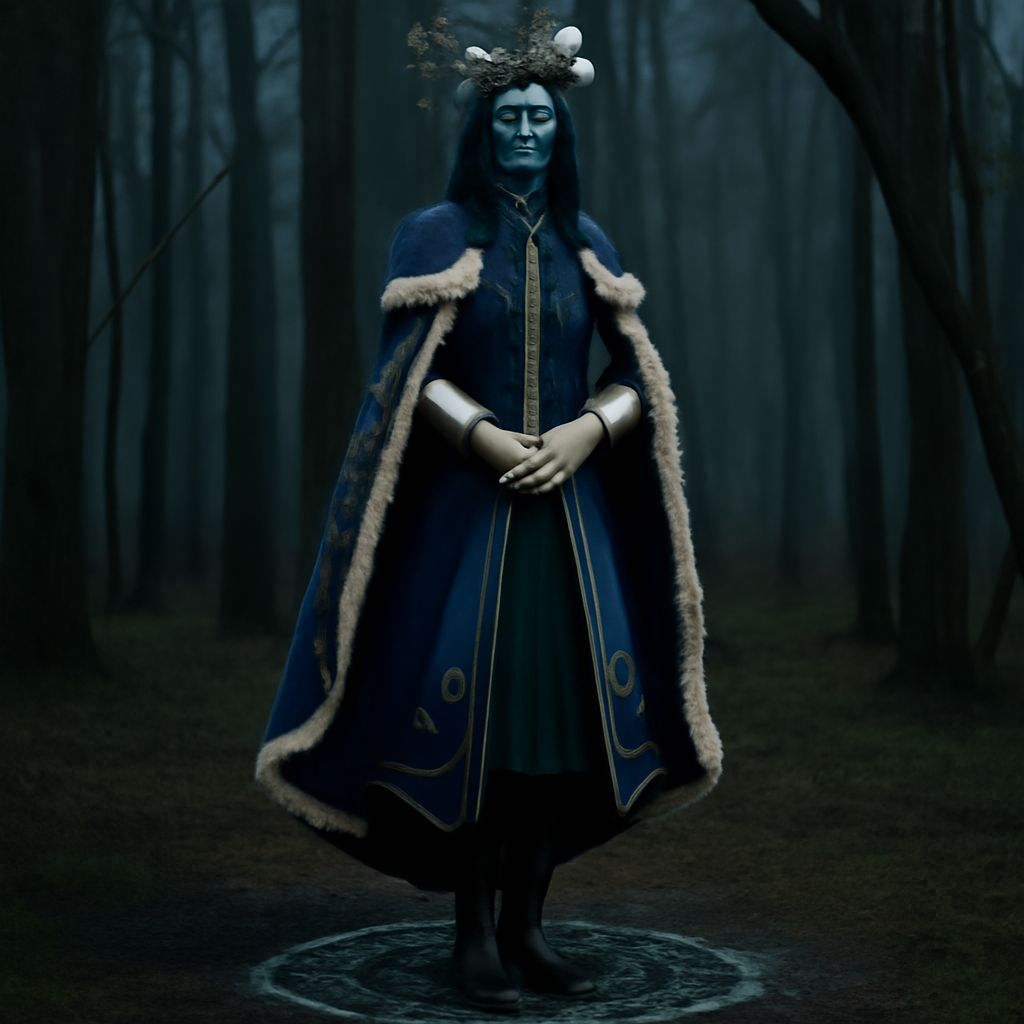
Eladrin are a type of elf deeply connected to the Feywild—a realm of raw magic and shifting emotions. Unlike standard elves, eladrin are defined by their intense ties to the four seasons: spring, summer, autumn, and winter. These shifts aren’t just symbolic; eladrin can literally change their appearance, abilities, and even personalities to reflect the season they embody.
In many fantasy settings, particularly in Dungeons & Dragons, eladrin are portrayed as elegant, enigmatic, and unpredictable. Their beauty and mannerisms may seem otherworldly. This close relationship to nature and the fey gives their culture a lyrical, poetic quality, which strongly influences eladrin names.
When we choose eladrin names, we’re not just labeling a character—we’re capturing a moment, mood, or connection to the ever-changing cycle of the seasons. This makes each name meaningful and evocative, helping to immerse players and readers in a truly magical world.
How Eladrin Names Reflect Their Seasons
One of the most distinctive aspects of eladrin names is their link to the seasons. Each season imparts its own flavor, symbolism, and linguistic cues. For example, spring eladrin names often evoke renewal, growth, and hope, while summer names brim with energy, passion, and fire. Autumn names might suggest wisdom, transformation, and harvest, whereas winter names carry an air of mystery, melancholy, or serenity.
These influences show up both in name sounds and meanings. Spring names may incorporate soft syllables and references to blooms or new beginnings—think “Lirael” or “Blossomdew.” Summer names tend to have strong, bright sounds, like “Cymarin” or “Sunflare.” Autumn names often use earthy or golden tones, such as “Talanil” or “Ambermist,” while winter names might feature cool, crisp elements, for example, “Eirlys” or “Frostwhisper.”
In roleplaying games, an eladrin’s name can even change to match a shift in their personal season. This fluidity lets us reflect character growth, emotional changes, or a dramatic narrative twist, making eladrin names a dynamic part of storytelling.
Eladrin Name Ideas and Examples
To inspire your own worldbuilding or character creation, here are curated examples of eladrin names for each season, including both masculine, feminine, and gender-neutral options. Each name is paired with a suggested meaning to further guide your choices.
- Spring:
- Lirael (“song of renewal”)
- Fenwyn (“green joy”)
- Petaline (“flower’s grace”)
- Emberis (“dawn light”)
- Summer:
- Cymarin (“sun’s glory”)
- Solanar (“rays of courage”)
- Valyne (“summer’s heart”)
- Tirien (“scorching wind”)
- Autumn:
- Talanil (“golden leaf”)
- Ambermist (“amber fog”)
- Rowanth (“rowan guardian”)
- Serefin (“harvest dusk”)
- Winter:
- Eirlys (“snowdrop”)
- Frostwhisper (“quiet of frost”)
- Caelyth (“chill spirit”)
- Wynteris (“winter’s promise”)
These examples can be used as-is or serve as a springboard for inventing your own unique eladrin names that fit your campaign, novel, or worldbuilding project.
Tips for Creating Your Own Eladrin Names
When we create eladrin names, layering meaning and sound is key. Start by considering the season your character embodies. What qualities, emotions, or natural phenomena stand out? Let those ideas guide your name’s inspiration. For spring, think of renewal and song; for summer, embrace radiance and power; for autumn, focus on transformation and wisdom; and for winter, channel quiet, resilience, and beauty in stillness.
Combine nature terms, elven-sounding syllables, and soft or sharp consonants as they fit the season. Pair words from different influences: “Sun” + “flare” for summer, or “Frost” + “whisper” for winter. Don’t be afraid to invent new endings or prefixes—eladrin names thrive on poetic creativity.
Try reading the name aloud to hear how it flows. Eladrin names often sound melodic or ethereal. If you’re writing for D&D or fiction, consider how the name might change if your character’s season does. This can be a powerful way to show growth or emotional shifts over time.
Finally, review existing lists and examples for inspiration, but add your own twist. Authentic eladrin names should feel like they belong in the feywild—mysterious yet evocative, beautiful yet powerful. By weaving meaning, season, and sound together, we can create eladrin names that truly stand out in any fantasy world.