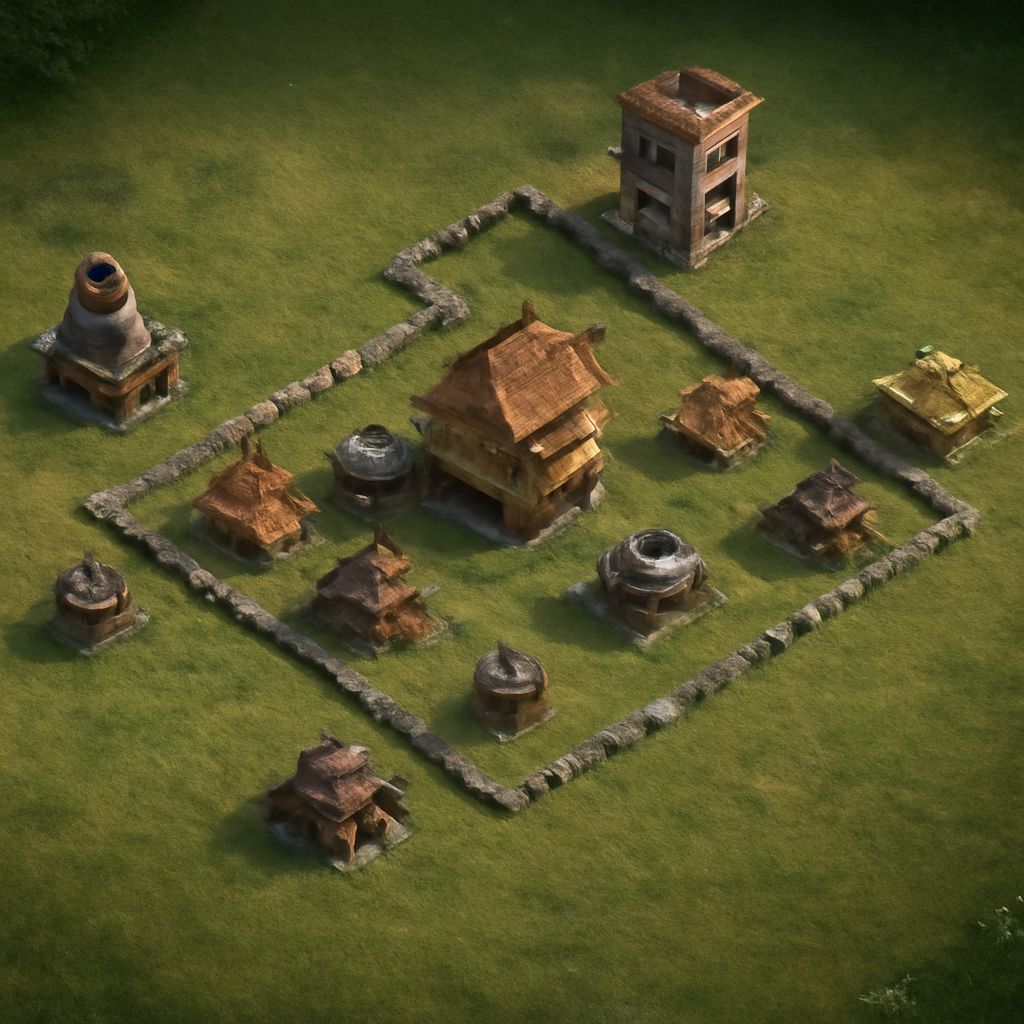
For the best Builder Base 6 result, we recommend a compact, central BH5 design for Builder Hall 5, followed by a rebuilt Roaster-led plan at BH6. The best BH5 base protects the Builder Hall while denying easy percentage, whereas our recommended Builder Hall 6 base changes the air approach instead of simply adding walls.
Both layouts use the same foundation—layered pathing, protected key defenses, and traps placed on predictable troop routes—but the upgrade changes which threats deserve the most space.
Choose the Best Builder Base 6 Layout by Defensive Goal
Choose the layout according to the result we most need from defense:
- Protect the Builder Hall: Use a central BH5 or BH6 core, with the Crusher and the strongest short-range defenses covering the likely entry.
- Deny the second star: Keep high-hit-point buildings inside the defensive footprint and avoid a ring of collectors that gives attackers free destruction.
- Stop ground spam: Create two or three wall compartments, then steer troops toward the Crusher rather than allowing a direct path to the core.
- Limit air attacks: Spread Firecrackers and Air Bombs across different compartments. At BH6, make the Roaster cover the Builder Hall and the most likely air route.
For trophy defense, we should favor a compact core and awkward entry angles. For farming, a slightly wider layout can protect storages, but it should still force attackers through defenses before they reach the Builder Hall.
Best BH5 Base: Central Core, Pathing, Defense, and Trap Priorities
Place the Builder Hall in the center of a two-layer core. Put the Crusher close enough to cover the Hall, but not directly beside every major defense; this makes one spell or troop group less likely to disable the entire core. Place the Double Cannon and Archer Tower on opposite sides so a ground attack cannot overwhelm both from one entry.
Build the first wall compartment around the Builder Hall and the second around the most valuable defensive pair. Leave no straight, empty lane between the outside edge and the core. Instead, use small offsets and staggered buildings to make troops turn before reaching the Crusher. A Guard Post on one side can pull the first wave away from the main entry and buy time for the core defenses.
Use outside buildings as controlled funnel pieces, not as a complete perimeter. Keep collectors and low-value structures close enough to the base that they do not hand over 20% destruction before defenses engage. Put the most exposed defense behind a short wall segment, creating a route that looks open but ends at a trap or Crusher.
At BH5, prioritize spring traps on the narrow ground routes between defenses. Place push traps where they can redirect Giants toward the Crusher, and use small bombs behind walls where a troop group is likely to bunch up. Put Air Bombs and air mines on the approach that bypasses the ground compartments. This is the strongest BH5 choice for protecting the Hall and resisting ground two-star attacks.
Best Builder Hall 6 Base: Roaster Core and the Air-Pathing Changes
At BH6, do not extend the old design outward without rebuilding it. The Roaster is the key new defense: place it near the Builder Hall, where its fire can cover both the core and a likely air route. Keep it close enough to support the Crusher, but offset the two so one troop drop cannot occupy both defenses immediately.
Split the anti-air network across the base. Put one Firecracker behind the central compartment, another on a side route, and Air Bombs where air troops must turn toward the Hall. This forces an air army to cross more than one firing zone. Avoid stacking every air defense in the same pocket, because a single entry can otherwise neutralize the whole network.
Use a broad outer funnel with two deliberate ground entries. One should lead toward the Crusher and Roaster; the other should force a longer walk around the core. Add short wall breaks only where a spring trap or push trap can exploit them. The goal is not to seal every route, but to decide where troops spend their first few seconds.
This BH6 plan is best for anti-air defense and for players facing mixed attacks after upgrading. It also remains strong against ground spam because the Roaster protects the core while the Crusher handles troops that are redirected into the central compartment.
BH5-to-BH6 Comparison: Rebuild Checks and Replay-Based Weakness Tests
Carry these principles from BH5 to BH6: centralize the Builder Hall, separate key defenses, avoid free outer percentage, and make every trap support a visible pathing choice. Change the air plan immediately after the upgrade. Move Firecrackers, Air Bombs, and air mines before adjusting cosmetic wall shapes, then position the Roaster where it covers the most probable entry.
Run at least five defensive replays from different attack angles. If the Builder Hall falls before the core defenses activate, move the entry-side defense inward and shorten the first compartment. If attackers reach 50% without taking the Hall, reduce exposed buildings and bring the outer funnel closer to the defensive ring.
Watch for three specific failures: ground troops bypassing the Crusher, air troops flying around the Roaster, or one entry disabling multiple defenses. Move spring and push traps after the first failure, rotate air traps after the second, and split the affected defenses after the third. Retest the same attack direction and one opposite direction before treating the layout as finished.