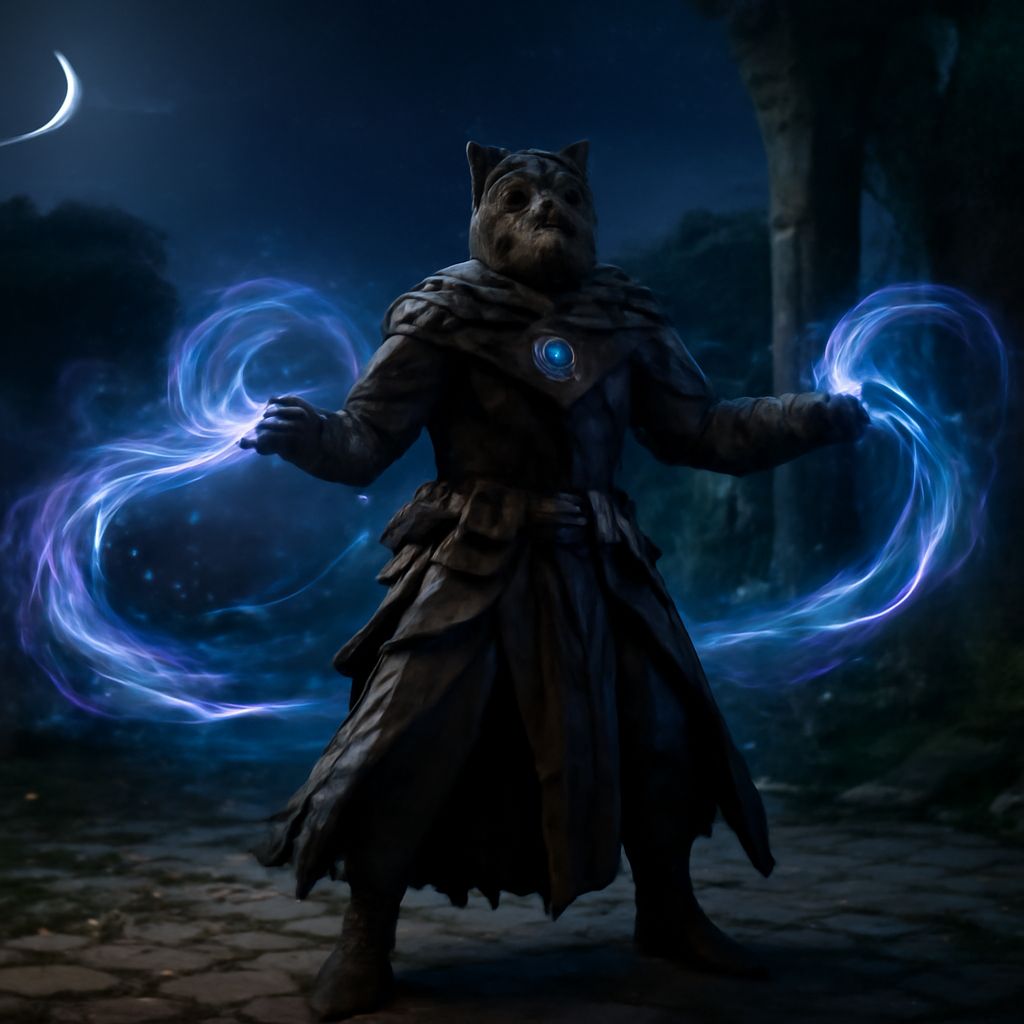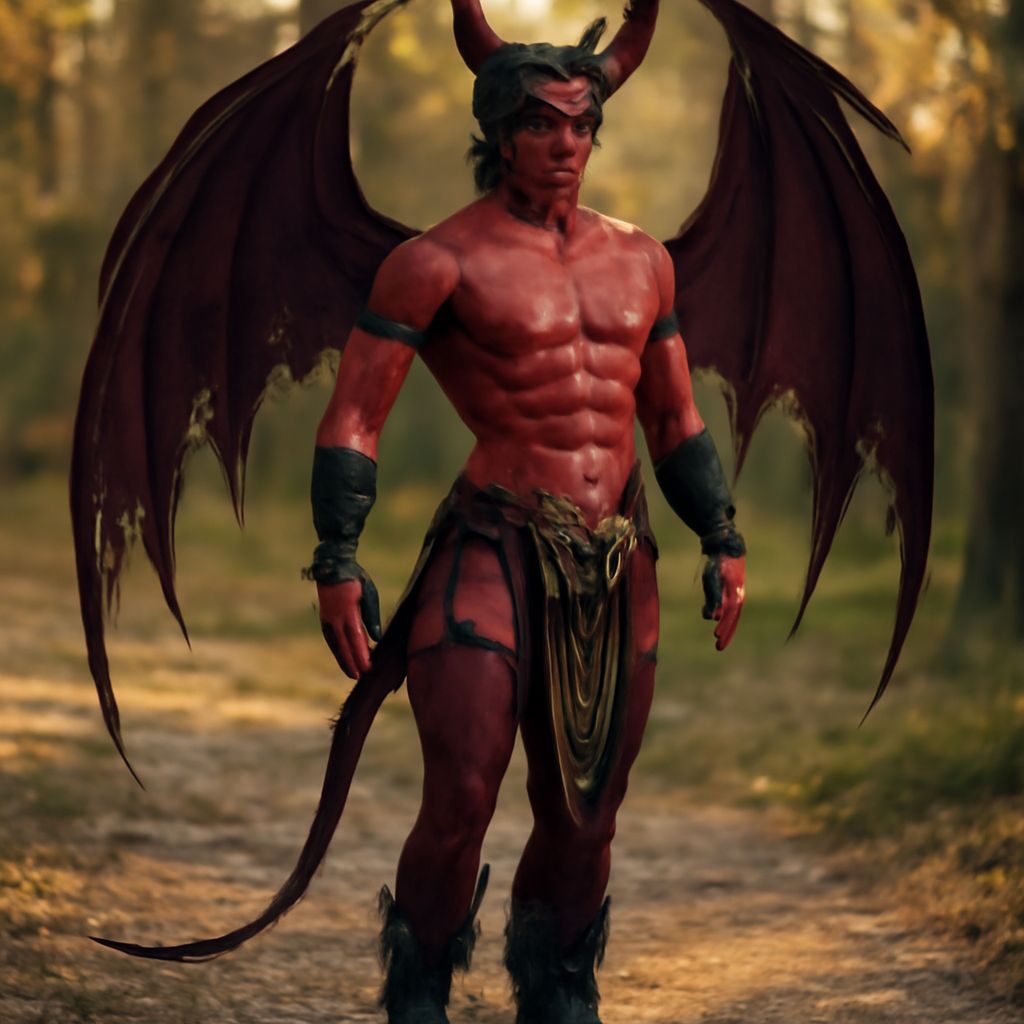
Our Incubus name generator creates dark-fantasy names shaped by supernatural allure, whispered menace, and dangerous charm. We have also included separate lists for factions and martial characters, so an individual creature, a territorial gang, and a female Barbarian each receive a name with the right kind of identity.
Use the examples as complete names, or combine their sounds with your setting’s languages, cultures, and locations. Creature names should feel intimate and uncanny; group names should suggest territory and reputation; personal names should point to a deed or temperament.
Incubus name generator: allure, menace, and complete examples
Build an incubus name from a soft or elegant opening, a dark image, and an epithet that hints at its method. Smooth consonants suggest seduction, while harsher sounds suggest predation. The following names include a concise motive for using each one:
- Vaelith Sablekiss — An alluring court infiltrator who collects the secrets of nobles before abandoning them.
- Morvane the Velvet Hunger — A patient predator who appears gentle until its victim has surrendered every defense.
- Azrien Nightbloom — A dream-haunting incubus drawn to lonely scholars and forbidden magical research.
- Velkaris Ashmouth — A menacing spirit whose promises leave a bitter, burned taste in the minds of survivors.
- Rhaevor Silkthorn — A charming tempter who offers affection first and turns emotional dependence into control.
- Ophrael of the Red Veil — A masquerade-dweller who hides its monstrous nature behind lavish parties.
- Kaelzun Heart-Eater — A brutal name for an incubus that feeds on devotion rather than desire.
- Syvessa the Whisper Below — A subterranean creature that speaks through cracks in bedroom walls and forgotten wells.
For new combinations, pair an elegant first element such as Vael, Rhae, or Oph with a shadowed second element such as -vane, -zun, or -rael. Add an epithet when the creature has a memorable habit, feeding preference, or public legend.
Fantasy gang names by territory and reputation
Unlike a creature’s personal name, a gang name should sound collective and memorable when shouted across a street. Start with the group’s territory, then attach an object, animal, color, or threat that reflects its reputation. These fantasy gang names show how the two parts work together:
- The Gutter Lanterns — They control the old aqueducts and guide smugglers through tunnels beneath the city.
- The Brass Jackals — A desert caravan gang known for stripping defeated rivals of armor and weapons.
- The Thornwater Boys — River thieves who hide boats among poisonous reeds and never attack the same dock twice.
- The Black Bell Syndicate — Graveyard enforcers whose bell announces that a debtor has been marked.
- The Frostbite Crows — Mountain raiders who leave black feathers on abandoned watchtowers.
- The Red Quarry — An outlaw faction based in an abandoned mine, feared for its public executions.
- The Moonhook Crew — Harbor thieves who use hooked blades and strike only under a full moon.
- The Ashen Spurs — Horse thieves and border scouts with a reputation for humiliating mounted soldiers.
Use a plural name for a loose street crew, a hard noun for a disciplined faction, or a place-name for a gang that has effectively claimed a district. Territory gives the name a map location; reputation gives it emotional weight.
Build female Barbarian names by deed and temperament
Female Barbarian names work best when they sound physical, direct, and easy to remember in battle. Give the character a strong personal name, then add a title earned through a deed or revealed by temperament. These examples can belong to heroes, rivals, mercenaries, or chieftains:
- Brakka Stonewake — Calm and relentless, she broke a siege by moving the stones blocking a mountain pass.
- Ylva Red-Hand — A fierce raider who took revenge on the warlord responsible for burning her clan’s tents.
- Thora Wolf-Spear — A solitary huntress whose patience makes her more dangerous than her temper.
- Kessa Ironlaugh — A fearless champion who laughs during impossible fights to unsettle her opponents.
- Maela Stormscar — A proud shipbreaker marked by lightning after surviving a storm at sea.
- Ragna Bear-Bane — A practical village defender who killed a giant bear with a woodcutter’s axe.
- Svala Oathkeeper — A disciplined clan leader who refuses peace until every broken promise is answered.
- Varka Emberstride — An impulsive firebrand who crossed a burning battlefield to rescue a captured sibling.
Choose a blunt, sturdy given name for readability, then let the title carry the character’s history. A deed-based title suits a legendary warrior, while a temperament-based title such as Ironlaugh, Frost-Eyed, or Grimheart works for a character whose personality drives every scene.
Choose and adapt each name type for your setting
- Match the naming scale. Give an incubus one intimate name, a gang a name that members can chant, and a Barbarian a personal name that allies can call quickly.
- Anchor the name. Tie the incubus to its feeding habit, the gang to a district or landmark, and the Barbarian to a deed, weapon, scar, or defining mood.
- Adjust the sound. Add soft vowels and flowing syllables for seductive creatures, clipped words for feared factions, and heavy consonants for battle-worn warriors.
- Test the reputation. Say the name from three viewpoints: a victim describing the incubus, a citizen warning about the gang, and a companion praising or fearing the Barbarian.
- Keep the strongest detail. If a name has too many titles, remove everything except the image that best explains why people remember it.