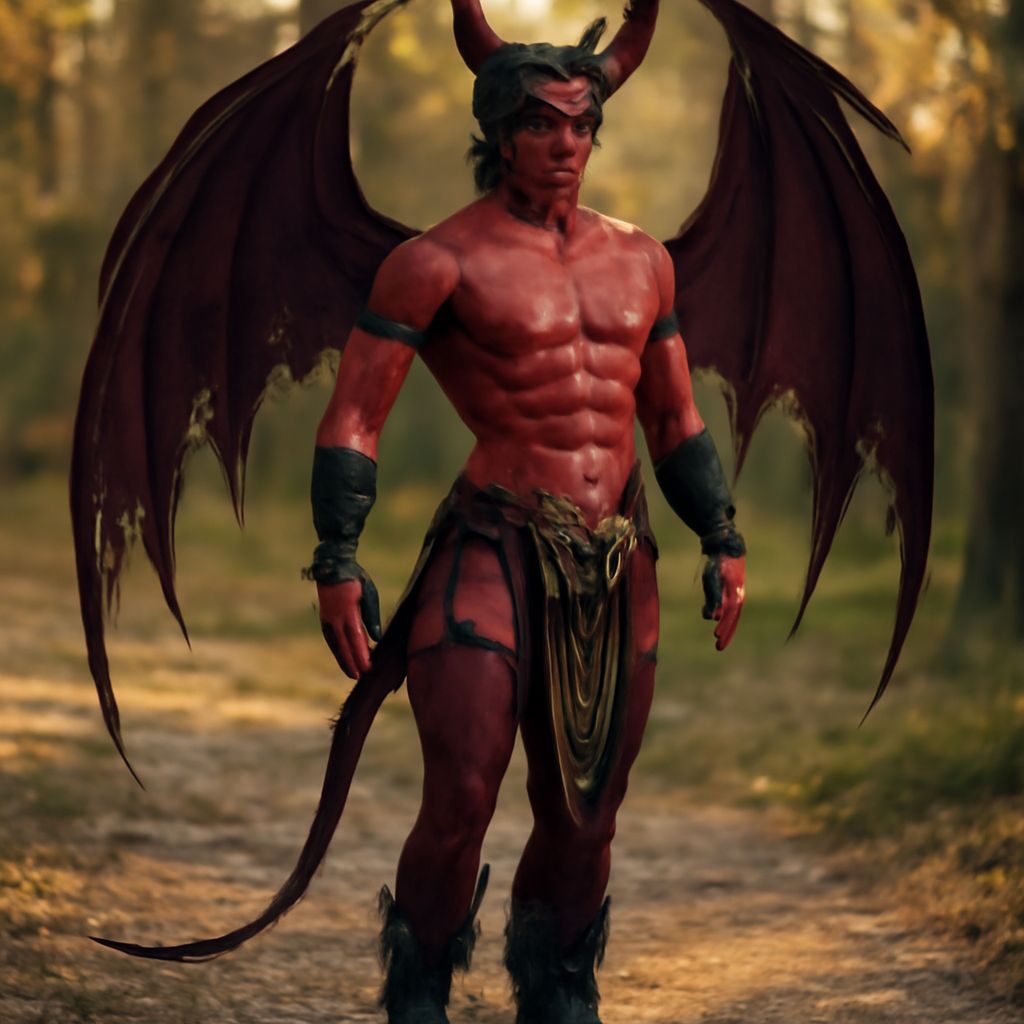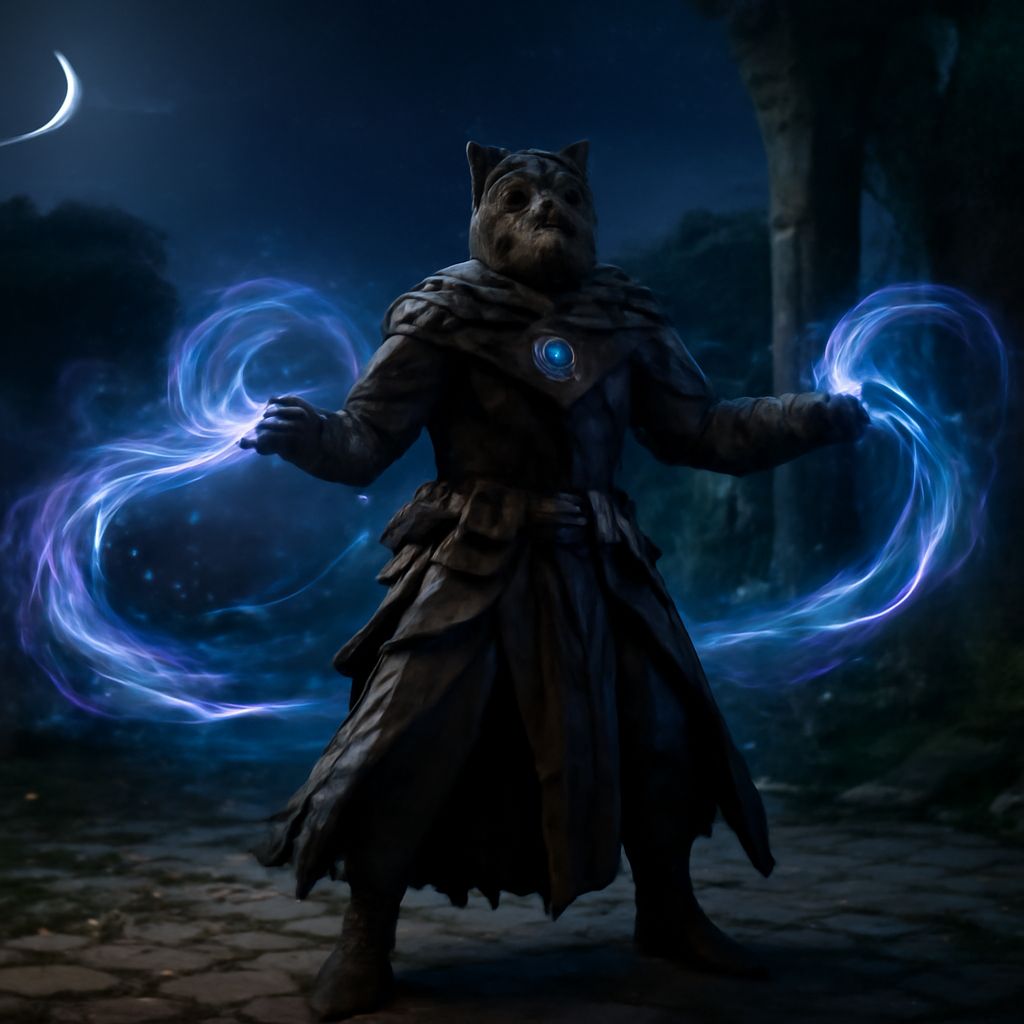
Use personal names for identity, divine names for authority, and creature names for form and behavior. The three generators below keep those signals separate, so we can build a female Warlock name that sounds lived-in, a fantasy god name that feels worshipped, or a fantasy creature name that hints at how the being survives.
Female Warlock Names by Magical Tone
Mix roots, sounds, and endings to create personal names
For female Warlock names, combine a magical root with a sound pattern and a personal-name ending. Soft vowels and flowing endings suggest prophecy, healing, or moon magic; hard consonants and clipped endings suggest curses, battle magic, or forbidden study.
- Moon and prophecy: Elu, Vael, Sira, Nym + -ara, -iel, -une
- Fire and ambition: Ash, Pyr, Zor, Cind + -essa, -ith, -ara
- Shadow and curses: Mor, Vey, Dus, Nyx + -eth, -ira, -ayne
- Nature and spirits: Briar, Syl, Thorne, Eira + -wen, -a, -wyn
To make the result feel like a person rather than a spell, vary the syllables: Vael + ira = Vaelira, while Mor + eth = Moreth. A short name can imply a feared reputation; a longer name can suggest an old magical lineage.
Ready-made warlock names with one-line magical roles
- Vaelira Nox: a dream-binding Warlock who trades in secrets heard during sleep.
- Morwen Ashveil: a fire curse specialist whose spells leave gray scars.
- Syrentha Vale: a moon prophet who reads possible futures in black water.
- Nyxara Thorn: a hedge sorcerer who commands protective briars and venomous roses.
- Elowen Vey: a spirit medium who negotiates with ghosts at abandoned shrines.
- Zarethis Crow: a battle mage whose familiar carries messages between rival armies.
- Caelith Dusk: a memory thief who removes one painful moment from each victim.
- Ravessa Mire: a swamp witch who brews charms from drowned relics.
Fantasy God Names, Domains, and Titles
Combine a divine domain, sacred sound, and title
A fantasy god name should communicate more than personality. Pair a resonant name with a domain and an honorific that explains how worshippers understand the deity. Open vowels and repeated syllables suit creation or mercy; dense consonants and formal titles suit judgment, war, or death.
- Choose a domain: storms, harvest, justice, memory, stars, thresholds, or the sea.
- Choose a sacred sound: Ael, Orun, Ilyr, Vaun, Tharos, Serap, or Ura.
- Add a title that expresses function: Keeper, Crown, Witness, Mother, Judge, Voice, or Below-the-Waves.
For example, Vaun + storm + the Sky-Crowned becomes Vaun, the Sky-Crowned. The personal name gives the god identity, the domain gives purpose, and the title shows the relationship between deity and followers.
Ready-made gods with domains, epithets, and worship roles
- Aeloria, Mother of First Light: goddess of dawn, healing, and new beginnings, worshipped by midwives and travelers.
- Tharos the Iron Witness: god of justice and oaths, invoked when a ruler must answer for broken promises.
- Uram Veil-Breaker: god of truth and revelation, honored by spies, judges, and forbidden scholars.
- Serap Below-the-Waves: ancient sea god of shipwrecks, drowned treasure, and merciless tides.
- Ilyr of the Turning Fields: harvest deity whose priests bless seed, soil, and seasonal change.
- Vaun the Sky-Crowned: storm god who grants victory to sailors but demands a yearly offering of bells.
- Orun, Keeper of Last Names: god of memory and ancestry, guardian of family histories and the dead.
- Nemea at the Red Gate: goddess of thresholds who protects births, borders, and dangerous crossings.
Fantasy Creature Names by Form and Behavior
Combine creature form, behavior, and cultural sound
A fantasy creature name works best as a label that suggests what the being is and what it does. Start with its form—scaled, winged, fungal, skeletal, or aquatic—then add a behavior such as stalking, mimicking, nesting, burrowing, or collecting. Use rough sounds for predators and smooth or clicking sounds for insects, spirits, and cave dwellers.
- Predatory forms: kr, gr, sk, vorr, rath
- Small or swarming forms: pi, tik, zi, chir, kesh
- Ancient or colossal forms: au, thal, oro, um, vaa
- Wetland or aquatic forms: mur, loch, na, ul, ssel
Join the sound to a behavior or physical feature: Vorr + stalker = Vorrast, or Na + shell + collector = Nashel. Unlike a god title, the result should feel practical enough for villagers, hunters, or scholars to use in everyday speech.
Ready-made creature names with defining traits
- Vorrast: a six-legged forest predator that freezes whenever its prey looks directly at it.
- Nashel: a river creature that collects polished shells and leaves them outside sleeping travelers’ tents.
- Thalgryn: a wingless mountain drake that remembers every path across a frozen pass.
- Keshik: a swarming cave insect whose clicking calls imitate lost voices.
- Murrow: a bog beast that hides beneath lily mats and follows lantern light.
- Oruvane: a colossal sky ray that feeds on magical storms.
- Skelith: a skeletal hound that tracks the scent of stolen grave goods.
- Zirrap: a bright-scaled mimic that copies tools, jewelry, and eventually the habits of its owner.
Choose and Adapt a Generated Name
Match the naming style to the information the reader needs first:
- Choose a personal name when the character’s identity, lineage, or magical temperament matters most.
- Choose a divine title when worship, authority, and a supernatural domain should be immediately clear.
- Choose a creature label when appearance, habitat, and behavior need to be remembered quickly.
For a more distinctive result, change one sound, add a regional surname, or give the name a spoken nickname. Vaelira Nox might become “Vae” among allies, while Tharos the Iron Witness could be shortened to “the Witness” by fearful subjects. A creature called Vorrast might receive different names from hunters and villagers, such as “still-jaw” or “the forest pause.”